“To step outside my safe, warm car for just a minute each time I wanted to take a picture sucked all the air out of my lungs. It was exhilarating and terrifying.”
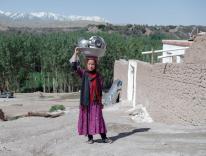
American attention on Afghanistan often neglects the material needs of ordinary Afghans, especially food security, which is now being threatened by climate change.
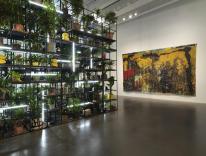
An exhibit at MoMA PS1 teaches visitors to see the cruelty the prison system tries to hide, and to think expansively about a world in which prisons no longer exist.
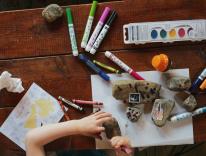
“For my kids, using their imaginations isn’t just a way to pass the time; it’s a spiritual survival strategy, one that just might help us parents survive, too.”
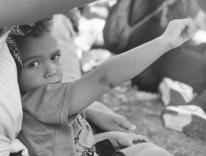
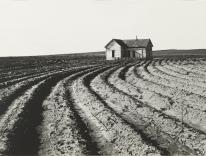
Dorothea Lange’s life of looking at others, especially those harmed by unjust systems, helped her see that victims were more than just their socioeconomic scars.
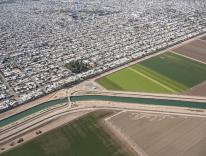
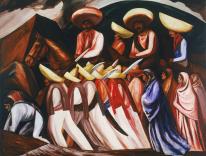
The Mexican government has already ordered people to stay home, with Mexico City under lockdown. But in a small pueblo in the south, life continues as before.
William Blake critiqued the Enlightenment, industrialization, and the expansion of the British empire. His work shines at the Tate as the shadows of Brexit loom.
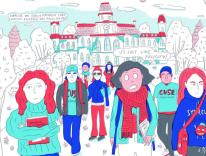
Refugees and migrants encounter homesickness as they struggle to establish identities in unfamiliar, often unwelcoming territory. Three books show how they do it.
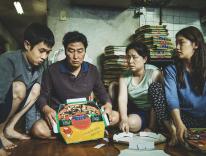
A parasite is a homemaker, living in its host. In Bong Joon-ho’s new film it could be property, capital, commercialized art and artifice, or all of them together.
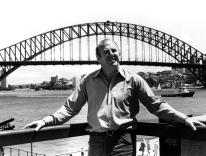
Australian critic Clive James passed away last month. His writings show us that we need not choose between high and low culture: Dante matters, but so do the Doors.
Art. Fiction. Memoir. Even a graphic novel. Our critics compile a list of their favorite readings from 2019. They make great gift ideas for the Christmas season.
A new show at the ICA in Boston addresses the global migration crisis by posing a simple question: what is a home? And why do more than 60 million people lack one?
Museums have recently tried to expand our picture of Native American life, coupling indigenous art with contemporary American works. This approach has limits.
The first of a series by Fr. Incognitus, who has worked in Southwest parishes serving immigrants from Central America, Mexican Americans, and Euro-Americans.
Poet and novelist Fanny Howe is an experimental writer’s experimental writer, the author of dozens of books, one who remains publicly, committedly Catholic.
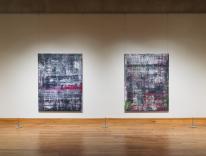
A new show at the Barnes in Philadelphia transports audiences into the heart of the Bill Viola’s pioneering inquiries into the phenomenon of visual perception.