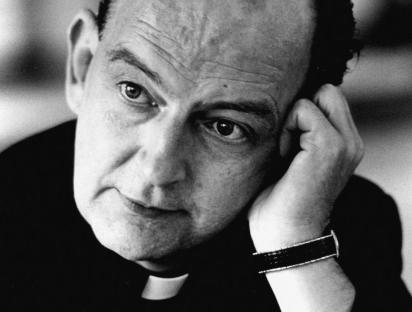
Intellectual historian Michael Behrent discusses the role of Catholicism in Foucault’s youth and the connection between his religious background and later work.
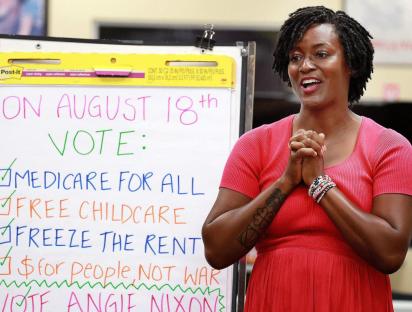
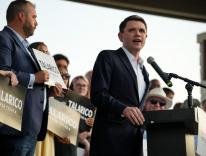
The most surprising insurgent this election cycle is in Donald Trump’s adopted home state. Can Angie Nixon show Democrats a new way to compete in Florida?
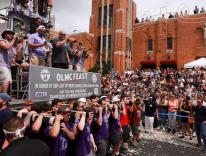
As all eyes turn to Lower Manhattan to mark the anniversary of 9/11, many will pass over the nearly two thousand local memorials made from salvaged World Trade Center steel.
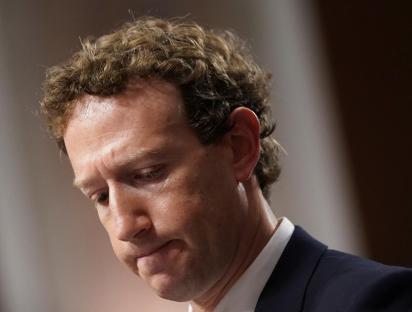
The $17 billion settlement against Meta provides important proof that tech’s self-congratulation can be challenged—and that one needn’t be a Luddite to challenge it.
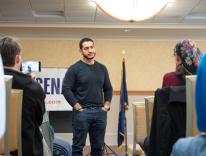
A conversation with journalist and political science professor Peter Beinart about the deep ideological shifts within the American Jewish community since the war in Gaza began.
Ben Rhodes's new book makes an earnest case for the political power of words. But the degradation of our public life can’t be reversed by rhetoric alone.
Three writers—a Jewish theologian, a legal scholar and intellectual historian, and a Catholic philosopher of religion—reflect on Omri Boehm’s call for a "radical universalism."
Three writers—a Jewish theologian, a legal scholar and intellectual historian, and a Catholic philosopher of religion—reflect on Omri Boehm’s call for a "radical universalism."
The West still pictures India as rooted in Gandhian tradition. But it is Vinayak Damodar Savarkar's radical nationalism that drives Indian politics today.
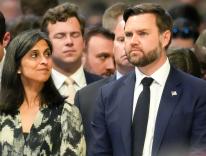
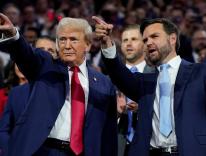
J. D. Vance’s ‘Communion’ and Lena Dunham’s ‘Famesick’ are two sequels to splashy, confessional memoirs by millennial authors. Only one of them is fun to read.
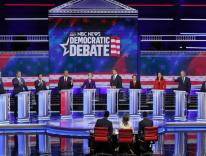
The Democratic Party needs centrists capable of self-criticism and leftists capable of self-discipline. The current state of the discourse militates against both.
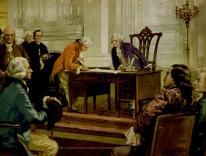
The Declaration’s grievances offer a portrait of political domination, teaching us what it feels like to be subjects rather than citizens. Can we recognize the predicament it describes?
The United States, on its 250th birthday, is a country in decline. American Catholics should embrace this sour semiquincentennial as a moment for discernment.