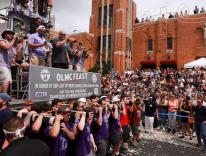
As all eyes turn to Lower Manhattan to mark the anniversary of 9/11, many will pass over the nearly two thousand local memorials made from salvaged World Trade Center steel.
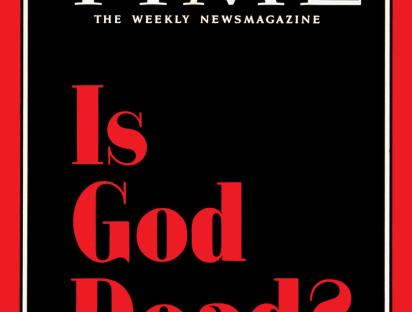
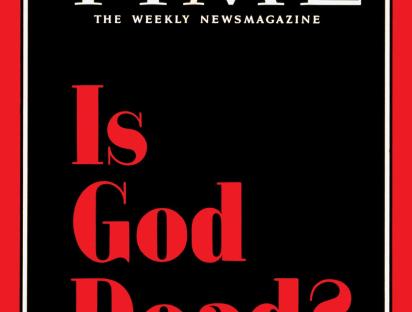
… of the culture wars to come. Yet the article corresponding to the cover is better … debates. But what about its substance? How do the article’s assessments of the likely … in light of the past six decades? To address this question, I have asked authors who in …
"As a professor, the ingression of artificial intelligence into academic writing troubles me. But nothing depresses me quite like the AI takeover of ephemera."
The $17 billion settlement against Meta provides important proof that tech’s self-congratulation can be challenged—and that one needn’t be a Luddite to challenge it.
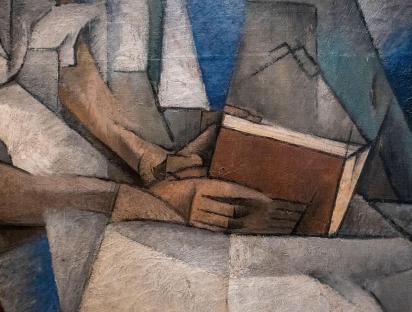
We don't need uncritical reverence toward the Western intellectual tradition. But we do need to read it with generosity, rather than hardened suspicion.
"And yet, to recall Fanny’s past now, in her own bright present, here in her pretty, pastel condo by the sea, was to acknowledge, surely, that time heals."
A new exhibit at the Morgan Museum and Library traces tarot's transformation from a courtly card game in fifteenth-century Milan into a map of the modern subconscious.
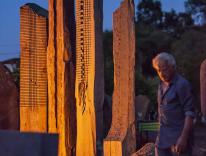
Sardinian arist Pinuccio Sciola built a life on the claim that stones can sing. Ten years after his death, visitors to his stone garden can listen for themselves.
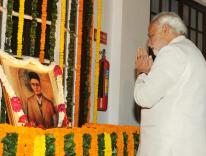
The West still pictures India as rooted in Gandhian tradition. But it is Vinayak Damodar Savarkar's radical nationalism that drives Indian politics today.
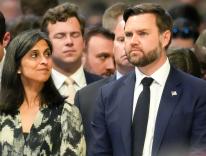
J. D. Vance’s ‘Communion’ and Lena Dunham’s ‘Famesick’ are two sequels to splashy, confessional memoirs by millennial authors. Only one of them is fun to read.
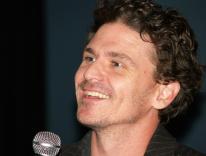
Dave Eggers’s latest novel is the meditation of an older, successful artist on what his life might have been if he had been unable to work successfully.
In the last quarter of the twentieth century, provocative art came to be leveraged for right-wing political power. We're still dealing with the consequences.
Many psychedelic users emerge from their trips with renewed interest in the communal and symbolic life of the world’s religions. Catholic leaders should take their experiences seriously.
'The Sheep Detectives' is a family-friendly whodunit that also takes up profound questions about the human condition. Its worldview isn't wholly incompatible with the complexity of our faith.
From the point of AI to the Church's role in slavery, 'Magnifica humanitas' provides a rich analysis of creativity and humanity. Commonweal contributors weigh in.