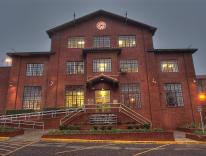
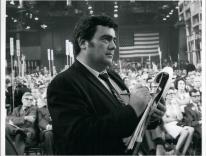
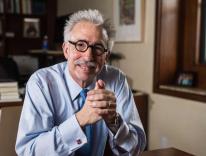
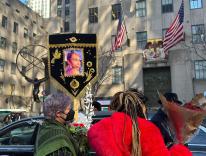
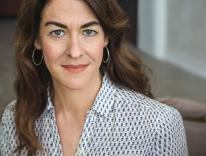
"Like many others, I remember exactly where I was when the verdict came down in 1995. I was in Commonweal’s offices on Dutch Street in lower Manhattan."
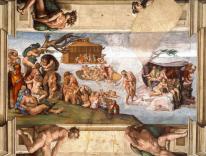
There are two difficulties with writing about Michelangelo’s frescoes in the Sistine Chapel. One is saying anything fresh about them. The other is seeing them at all.
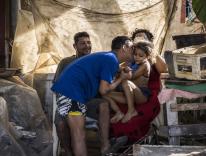
While some Cubans succeed in beginning new lives elsewhere, others are forced to return—a process that is often psychologically, physically, and financially traumatic.
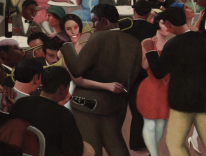
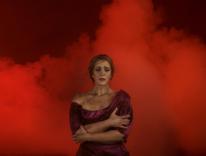
A new staging of ‘La forza del destino’ offers audiences the chance to ponder the paradoxes at the heart of what is often considered Verdi's most “Catholic” opera.
'Laudate Deum' does not merely restate Pope Francis's commitment to the environment. It calls us with greater urgency to change the systems feeding climate change.
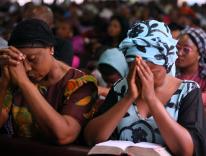
“Denial of the self is a traditional Christian spiritual practice that has its benefits, but this Lent I feel moved to a radical acceptance of the self.”
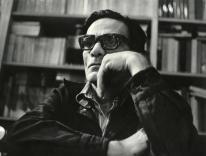
Contrary to what is typically asked of him, the just man does not need imagination but attention. Poetry, too, requires a kind of pure, focused attention.
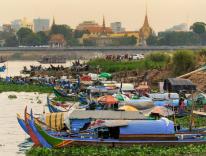
In Cambodia, a local environmental group is fighting to protect the Mekong River and rainforest ecosystems from well-funded, government-backed threats.