When literature was still recognized as an incomparable source of liberty and dignity to millions, the CIA spent decades distributing banned books behind the Iron Curtain.
Mark Hlavacik’s new book on the history of education culture wars says little about schools, and almost nothing about the people who teach and learn there.
Donald Trump bears an uncanny resemblance to Rex Mottram, the businessman and opportunistic British politician in Evelyn Waugh’s ‘Brideshead Revisited.’
As the Trump administration moves the country further into fascism, the times demand an even stronger defense of the human dignity of all life—including Renee Good’s.
The Trump administration has exploited and exacerbated the problems besetting science. Our moment demands a new contract answerable to the scientific needs of American society.
Individual retirement accounts like the 401(k) have become the backbone of our retirement system. They are a key contributor to the precarity unraveling the social fabric.
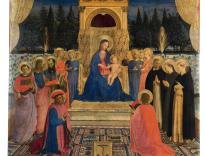
Our most-read pieces of the year—from the legacy of Pope Francis and the start of Leo's papacy to mass deportation and the Catholic response, and much, much more.
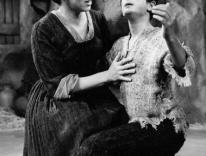
The question at the center of 'Amahl and the Night Visitors' is what generosity looks like—and whether one needs material possessions in order to be truly generous.
New York governor Kathy Hochul has described herself as a “social-justice Catholic.” Social justice demands that she veto the state's bill legalizing physician-assisted suicide.
I’ll be binge-reading Jane Austen again this winter, in honor of her 250th birthday. Few novelists of any era offer as much perception, delight, and insight on every page.
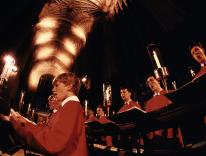
During an anxious Christmas season, if the ground starts to give beneath our feet, we might cleave to the hope that there will be someone close at hand to listen.