Assessing blame can be useful. But it could also be paralyzing at the very moment when Trump's foes, and also some of his enablers, need to take responsibility.
In "The Terror Years," Lawrence Wright offers a view of the War on Terror through the lens of the individuals and societies that have taken part in it.
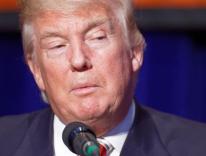
Although Donald Trump's defeat is a prerequisite to national recovery, the profound damage he has done to our nation will not be wiped away if he loses.
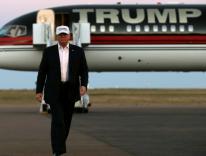
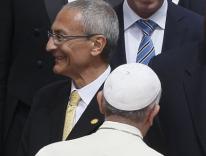
The prospect of a Trump presidency has sent shivers up the spines of most officials in the Vatican, though Americans who work in the Curia feel differently.
Denying the good faith of those we disagree with is tempting. But demonization is often used to deflect hard issues by denying the other side has the right to speak.
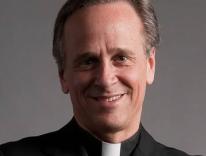
Notre Dame's president talks about the election and the call to serve the common good by engaging with political institutions, even in our pluralistic society.
High-end residential towers in New York, Singapore, London, and elsewhere are just a particularly egregious example of the warping of the modern investment economy.
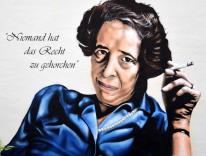
The enduring controversies surrounding Hannah Arendt confirm Wittgenstein’s insight: to think what we are doing was, and remains, much easier said than done.
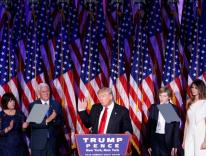
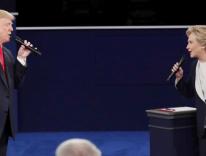
Never has a candidate for president challenged the legitimacy of the electoral enterprise in which he was engaged. Trump proved he does not respect democracy.
'American Prophets' is a true exercise in hagiography in every sense of the word, detailing the lives of modern saints while extolling their extraordinary vision.
What the Catholic Church teaches about civic and political duties is an invaluable resource in the battle against those who seek to delegitimize liberal democracy.
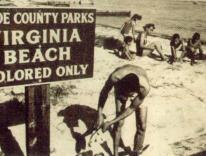
The success of Trump’s dog-whistle appeal to race comes as no surprise to someone who observed the satisfactions that white Southerners took in segregation.
To hear cries from conservatives, you’d think emails released by WikiLeaks show Hillary Clinton’s campaign to be anti-Catholic. In truth, they show something else.
If the hollowness of the 1990s opened up a space for one kind of communitarian moment, perhaps the bewilderment of today is the occasion for another, different kind.
Yuval Levin attributes our political frustration to “nostalgias” of Left and Right baby boomers. His book is worth examination; his framework suffers exaggerations.
How did President Erdoğan come to accuse the reclusive Fethullah Gülen, who lives in the United States, of treason and masterminding last July's coup in Turkey?
A meditation on "story" amid this long campaign season, when some candidates have warned that immigrants are stealing both employment and the American story.
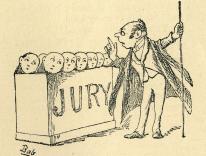
When the summons for jury duty came, I was more than a little excited to see how the system actually worked in real life. The experience did not disappoint.
In evaluating Obama’s record, one should recall what disarray his predecessor bequeathed him. What will his successor do to advance or complicate his legacy?
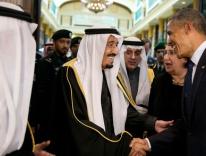
One week, Congress found the Saudis deserving of U.S. aid no matter what they were accused of doing in Yemen. The next, they were presumed responsible for 9/11.