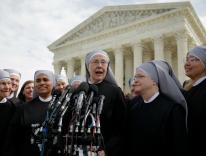
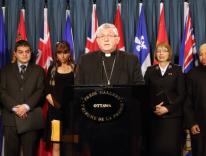
By signing one sentence asking for an exemption, the Little Sisters are not formally cooperating. They are materially cooperating only in a minor and remote sense.
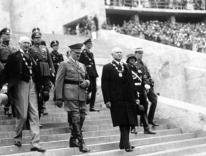
Most Americans suffer two blind spots about the 1936 games: distorted historical perception about the overall medal outcome and how the Nazis treated Jesse Owens.
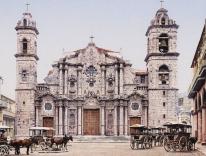
Catholicism in Cuba is neither tragic nor dramatic, but endowed with sensuality and humor; it is also charged with an ironic distance and a healthy anticlericalism.
Cubans want things Americans have, but they know the strength of their own culture, and of their dreams. Don’t expect images of Che Guevara to disappear soon.
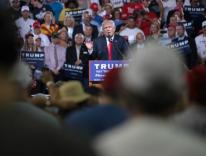
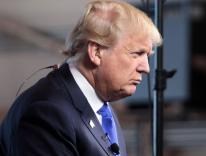
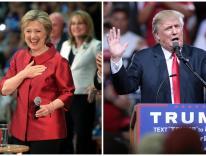
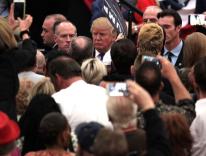
Now that he is the official GOP nominee, the most important fact about Donald Trump is not that he is ridiculous or contemptible, but that he is dangerous.
Trumpism is an ideological wasteland where anger is the only point and winning is the only objective. This GOP convention is what the wasteland looks like.
Canada’s long-standing ban on physician-assisted death is over. Though Canada has a predilection for polite and civil exchange, was the debate heated enough?
Online media in the wake of tragedy could be doing something good. It may be a modern means of activating an ancient genre: a particular subset of human sorrow.
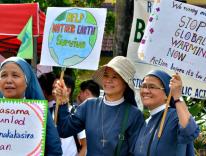
Though the Philippines’ poor have contributed the least to the nation’s climate-related crises, it is they who have lost the most, and who stand to lose still more.
Church teaching about the use of force is paradoxical. “Just peace”—not just war—should be the distinguishing mark and calling of the global Catholic Church.
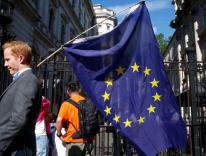
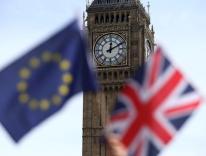
The British referendum revealed the weakness of the political establishment. The phenomenon points to the opening of a new chapter in Europe's post-war history.
Where is a compelling vision of human well-being? Missing is the sense that “we are all really responsible for all.” This feeds into the hands of people like Trump.
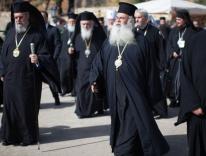
The tensions within Orthodoxy are partly theological. But there is also a more worldly clash of interests, including the rivalry between Constantinople and Moscow.
Brexit may end up being not a setback but an opportunity. And a decade or two from now, we may well find it difficult to recall what all the fuss was about.