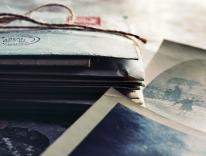
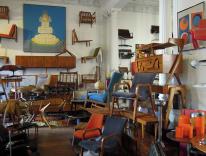
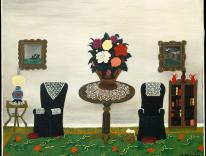
Physical objects carry meaning for us, but their accumulation can be a kind of spiritual error. Reconciling this contradiction leads us to richer, deeper lives.
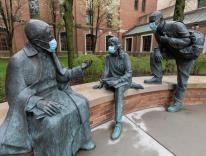
The most obstreperous opponents of masks tend to be men, a fact that has been chalked up to machismo and male privilege. But there’s more to it than that.
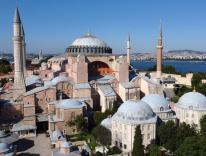
Hagia Sophia’s history as a church, mosque, and museum makes it a unique cultural bridge, but now it is also a symbol of the populist threat to religious minorities.
Wendell Berry’s book about American racism, The Hidden Wound, is half-a-century old this year. It can be considered an exercise in white vulnerability.
Watching Doc Martin again has reminded me that village life is full of petty jealousies and irrational resentments, but also strong communitarian ties.
I indulged myself even as I missed the thrift stores of our youth, the temples of musty counterculturalism where the point was how cheap, how many times recycled.
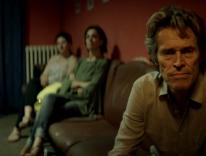
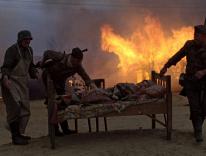
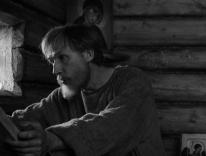
Many films have been made about the senselessness and brutality of war. But Elem Klimov’s ‘Come and See’ deserves renewed attention for its masterful ambiguity.
Humans are hardly the ‘rational actors’ social scientists pretend they are. With COVID-19 cases rising again, epidemiologist Joshua Epstein proposes another model.
Although the Union defeated the Confederacy, the Civil War did not eliminate the Confederate worldview. The oligarchic ideology grew and spread to the American West.
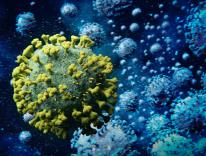
Viruses may not be alive, but they are lively. A close look at how they replicate reveals an interconnected picture not just of human life, but of all reality.
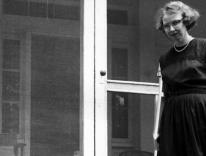
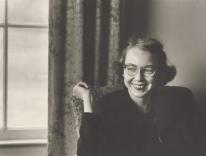
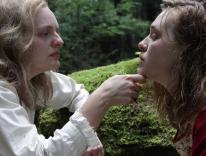
Shirley Jackson is known today primarily as a writer of literary suspense. But she was also a wife, and a mother, roles examined by a new film on Hulu.
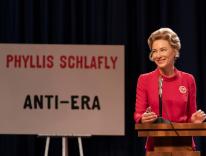
Anti-feminist Phyllis Schlafly sought the perfection of the traditional family, at the expense of reality itself, by fighting against the Equal Rights Amendment.
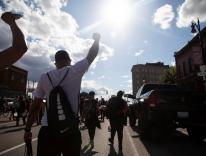
It is comforting to imagine we are making steady progress in combating racism. But it’s also misleading: we have done far too little in the last fifty years.
A new, polyphonic collection with poems by more than a hundred Latinx writers responds to the vexed problem of identity with expansiveness, not reductionism.
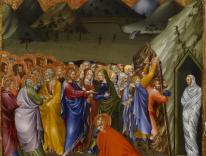
For cystic fibrosis patients, recent medical breakthroughs have offered a new life: like Lazarus, they are unwrapping their bandages and re-entering the world.
The coronavirus will be here for the foreseeable future. Our task is to learn how to negotiate life with people who have quite different understandings of its risks.
Joanna Kavenna’s latest dystopian novel tackles surveillance capitalism and artificial intelligence with sharp satire, intelligence, and faith in the human spirit.
Like his wife Joan Didion, John Gregory Dunne had an abiding interest in, and a cleared-eyed view of, the struggle between the haves and the have-nots.
Dorothea Lange’s life of looking at others, especially those harmed by unjust systems, helped her see that victims were more than just their socioeconomic scars.
Those of us stuck at home and not on the front lines can become numb. How should we feel about the hordes of lives being lost every day? How should we grieve?