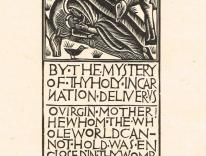
“Some days, although we cannot pray—because we are too busy, or because we are in too much pain, or simply because the words will not come—a prayer utters itself.”
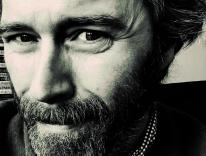
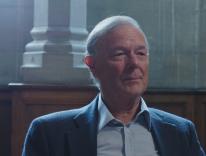
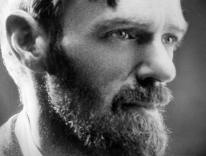
For John Cottingham, theism provides a framework for consciousness and morality. Belief is thus a live option for thoughtful, intellectually responsible people.
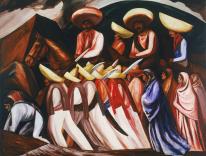
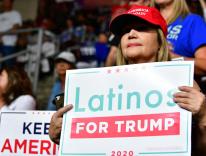
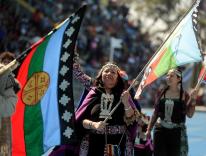
If we assume all Hispanics are part of a liberal majority, we miss something fundamental about Hispanics in the United States, and therefore about the U.S. itself.
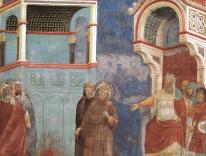
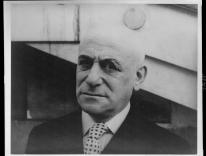
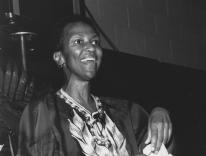
Through her activism and pioneering work in African-American Catholic spirituality, Sr. Thea Bowman challenged the Church to confront its own systemic racism.
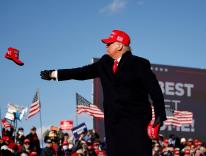
They get a lot wrong, but we can’t ignore them. They can only be defeated by offering a deeper, more expansive narrative of Catholic political thought.
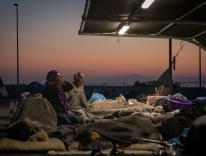
The dashing, Johnny Depp-ian swashbuckler may live in our stories, but the motivation for “turning pirate” rarely has anything to do with a yearning for open waters.
This is what I want to do with my late seventies, / honor the sky, scatter stained glass on the sidewalk, // follow the path their hues take us, you beside me.
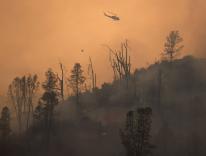
The wildfires raging on the West Coast are part of a broader, climate change–induced pattern. We must respond with real solutions, not just mitigation.
The end-of-summer book rush is here: Jane Austen and the Brontës reimagined, poetry lauding birdsong and lamenting Twitter, and new novels by familiar authors.
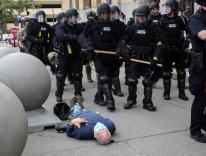
Martin Gugino, recovering from police-inflicted injuries, reminds us of how our current system fails to protect the constitutional right to free speech and protest.
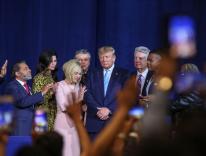
Religion has rarely been a significant factor in presidential politics, and isn’t likely to be now. In fact, it’s politics that often shape our religious beliefs.