Fiction is hard. Nonfiction is hard for different reasons: the need to ensure accuracy, the risk of angering your subjects. These books succeed brilliantly.
Available for the first time in English translation, the letters of a young German couple whose love of God and each other sustained them against Nazi oppression.
My brother Robert, always in and out of treatment, was a gift. He taught me to accept my own frustrations, and to curb the envy of others I sometimes felt.
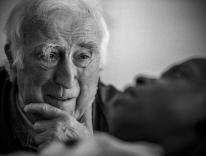
Despite his full, long life, the death of Jean Vanier is still sad. And as Christians, we must not skip grief nor automatically reach for a happy narrative.
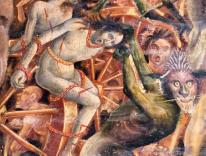
A new book describes everything one could wish to know about Hell: fire, brimstone, and boiling oil, but also the history of the idea across religions.
I've been visiting sisters’ homes across Britain and Ireland, seeking to collaborate with them in reflecting on suffering and its relationship to love.
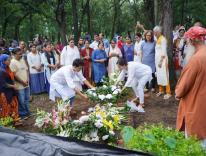
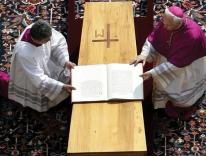
Fond memories and beautiful places are fine, but they are not all that matters. Indeed, there is a “Catholic way of doing things” when it comes to death.
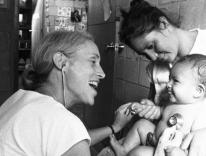
How did a shy young woman from the suburban Midwest turn into someone brave enough to travel by foot from village to village in the midst of a civil war?
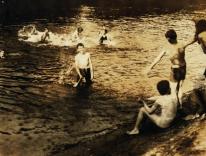
We never admitted that the lake was terrifying, that it was a dark, alluring, fearful hole in the world, more grim than serene. We never said the word “drown."
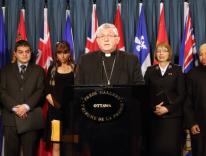
Canada’s long-standing ban on physician-assisted death is over. Though Canada has a predilection for polite and civil exchange, was the debate heated enough?
Like Twain’s mother, scrawling her thoughts on little scraps of paper, Scott Simon distilled his long hours in the ICU into clipped reflections, rich with meaning.