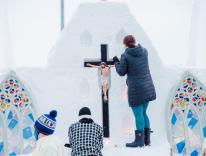
The growing number of adult baptisms in European and the United States has caught the notice of Church leaders who are attentive to even the smallest signs of revival.
The Trump administration has exploited and exacerbated the problems besetting science. Our moment demands a new contract answerable to the scientific needs of American society.
Individual retirement accounts like the 401(k) have become the backbone of our retirement system. They are a key contributor to the precarity unraveling the social fabric.
Our most-read pieces of the year—from the legacy of Pope Francis and the start of Leo's papacy to mass deportation and the Catholic response, and much, much more.
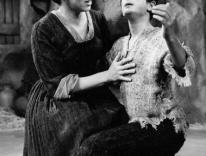
The question at the center of 'Amahl and the Night Visitors' is what generosity looks like—and whether one needs material possessions in order to be truly generous.
New York governor Kathy Hochul has described herself as a “social-justice Catholic.” Social justice demands that she veto the state's bill legalizing physician-assisted suicide.
I’ll be binge-reading Jane Austen again this winter, in honor of her 250th birthday. Few novelists of any era offer as much perception, delight, and insight on every page.
During an anxious Christmas season, if the ground starts to give beneath our feet, we might cleave to the hope that there will be someone close at hand to listen.
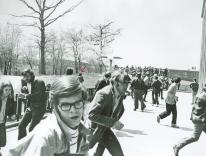
By sending the National Guard to cities such as Los Angeles and Chicago, Trump is trying to foment conflict, not defuse it. We've seen this playbook before.
What could bridge the gap between the culture of elite higher education and red America? One possibility involves extending the logic of the Fulbright program.
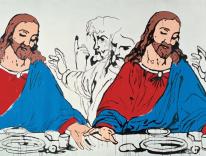
In ‘The Last Supper,’ Paul Elie tells the stories of artists whose struggles with their own religious beliefs amid the AIDS pandemic inspired often-controversial art.
Journalist Cole Stangler traces how Paris—despite its reputation as a creative mecca—became dominated by the dullest professions capitalism has to offer.