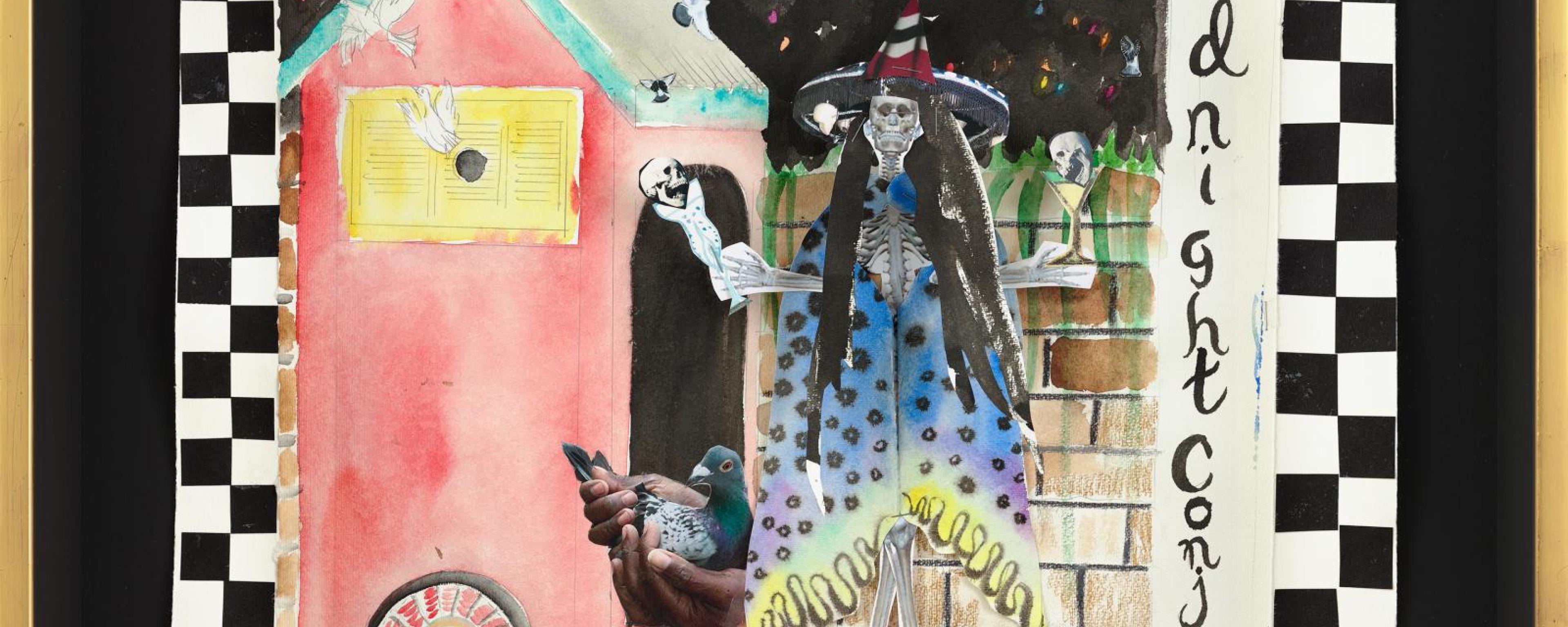
A new exhibit at the Morgan Museum and Library traces tarot's transformation from a courtly card game in fifteenth-century Milan into a map of the modern subconscious.
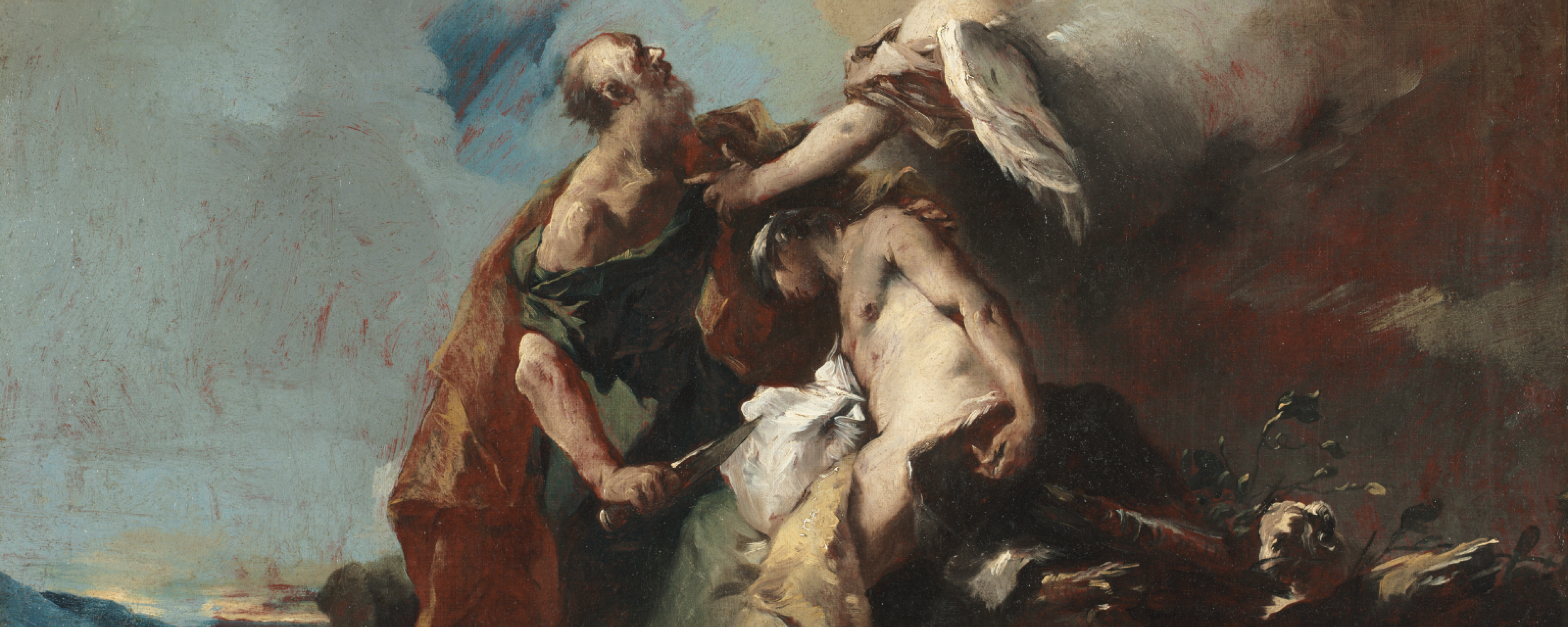
Three writers—a Jewish theologian, a legal scholar and intellectual historian, and a Catholic philosopher of religion—reflect on Omri Boehm’s call for a "radical universalism."
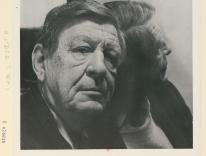
"Knowing // it is love that drives the sun, the moon and all the stars, I went / down to the inner room, / laid out the notebook, called on the Spirit"
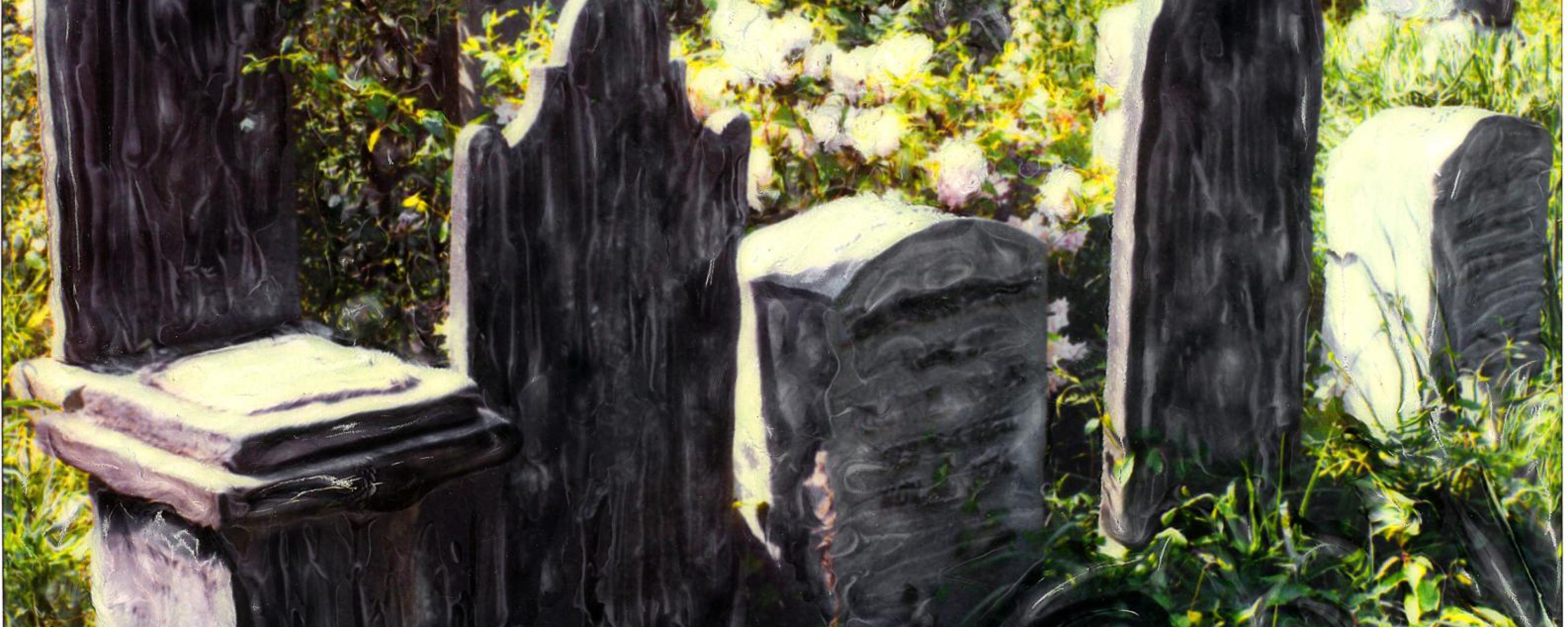
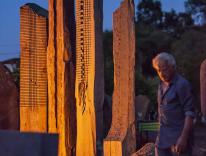
Sardinian arist Pinuccio Sciola built a life on the claim that stones can sing. Ten years after his death, visitors to his stone garden can listen for themselves.
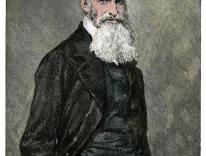
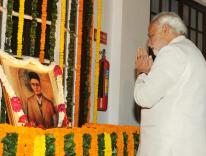
The West still pictures India as rooted in Gandhian tradition. But it is Vinayak Damodar Savarkar's radical nationalism that drives Indian politics today.
J. D. Vance’s ‘Communion’ and Lena Dunham’s ‘Famesick’ are two sequels to splashy, confessional memoirs by millennial authors. Only one of them is fun to read.
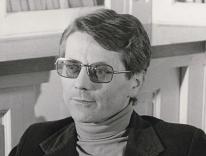
Jim Thompson, the most "titillatingly depraved crime novelist of the twentieth century," penned iconic psychopathic protagonists and redefined the genre of noir.
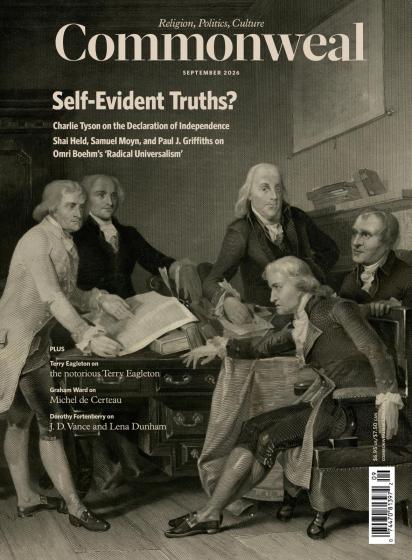
The Declaration’s grievances offer a portrait of political domination, teaching us what it feels like to be subjects rather than citizens. Can we recognize the predicament it describes?