When literature was still recognized as an incomparable source of liberty and dignity to millions, the CIA spent decades distributing banned books behind the Iron Curtain.
‘The Magic Mountain’ testifies to the power of art to transform life. But before he could complete his masterwork, Thomas Mann had to transform himself.
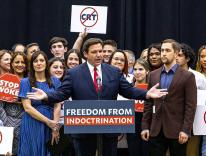
Mark Hlavacik’s new book on the history of education culture wars says little about schools, and almost nothing about the people who teach and learn there.
Donald Trump bears an uncanny resemblance to Rex Mottram, the businessman and opportunistic British politician in Evelyn Waugh’s ‘Brideshead Revisited.’
Our most-read pieces of the year—from the legacy of Pope Francis and the start of Leo's papacy to mass deportation and the Catholic response, and much, much more.
I’ll be binge-reading Jane Austen again this winter, in honor of her 250th birthday. Few novelists of any era offer as much perception, delight, and insight on every page.
During an anxious Christmas season, if the ground starts to give beneath our feet, we might cleave to the hope that there will be someone close at hand to listen.
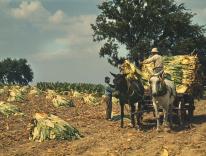
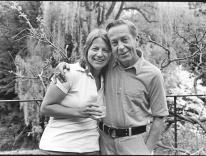
'Marce Catlett' seeks to reclaim an enduring notion of prosperity through a fictionalized account of real Berry family history—and real American history.
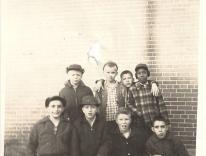
“Mr. Wycliff, the bishop says that the Catholic schools are for all Catholic children,” the priest said. “Your children will be welcome in our school.”
Neoliberalism now defines the political mainstream, but where do its boundaries end? Author Quinn Slobodian traces the varied landscape of neoliberal thought.
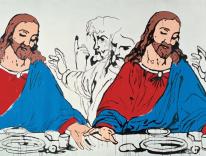
In ‘The Last Supper,’ Paul Elie tells the stories of artists whose struggles with their own religious beliefs amid the AIDS pandemic inspired often-controversial art.
John J. Lennon has spent the last 24 years in prison for murder. Now, he is the author of a book about true crime, prison reform debates, and his own experience behind bars.
Journalist Cole Stangler traces how Paris—despite its reputation as a creative mecca—became dominated by the dullest professions capitalism has to offer.