Brad DeLong’s expansive economic history is organized around a question: Why, despite constant innovation, haven’t we solved our deepest economic problems?
In Lance Morrow’s new book, the veteran ‘Time’ essayist drops names, complains about boomers, and offers an apologia for the journalism of the “American Century.”
The writing of Wilfrid Sheed offers a rare kind of euphoria: a sense that he is determined to give the reader as much amusement as he had writing the piece.
In a new collection of essays, Colm Tóibín brings his trademark doggedness to matters of faith, from the politicking of Pope Francis to Marilynne Robinson’s fiction.
The shift of our desires to online spaces has brought about a “desirevolution,” transforming how we find love and sex, and what we expect from our erotic lives.
Men in the industrialized world seem to have lost their groove. We need a new vision of masculinity adequate to our current social and economic circumstances.
Those who would follow him, Jesus tells us, must love their enemies. Those words issue a challenge for all Americans interested in redeeming democracy’s promise.
Beverly Gage's biography of J. Edgar Hoover challenges the traditional historiographical perception of Hoover's role in America's "long national nightmare."
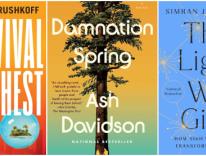
The editors read nonfiction about the escapist fantasies of the ultra-wealthy, novels about the Redwoods, and a memoir on Sikh teachings of service and love.
Christ was not worshiped for the manner of his death but because he was raised from the dead. Any history of the Christian martyrs must understand that fact.