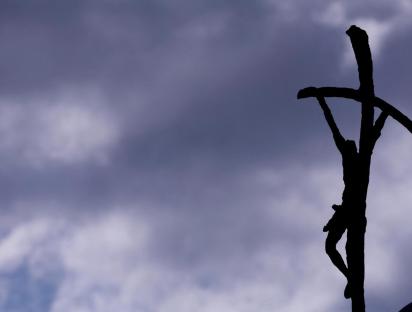
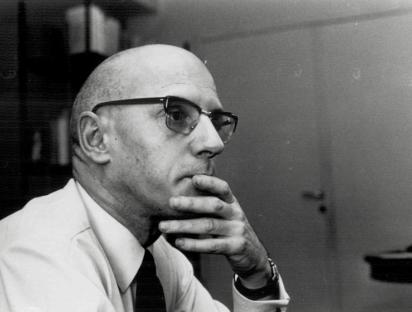
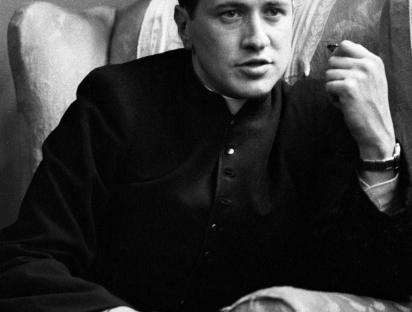
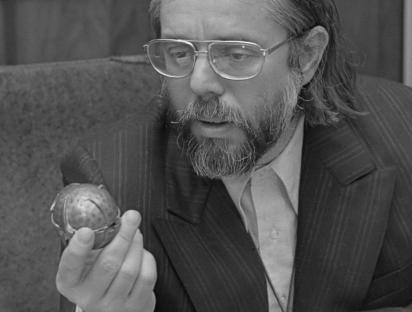
Intellectual historian Michael Behrent discusses the role of Catholicism in Foucault’s youth and the connection between his religious background and later work.
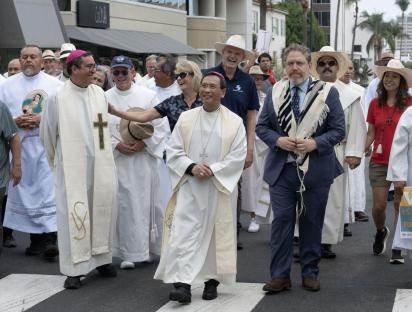
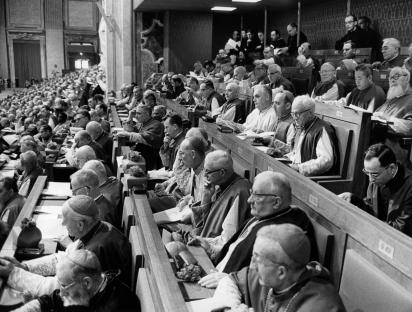
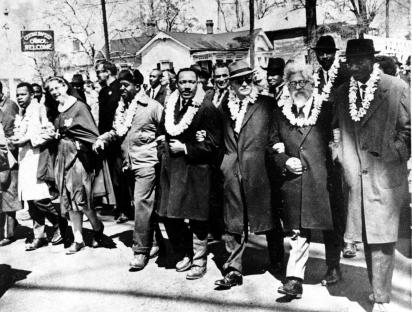
The Church’s leaders cannot assume that Catholics are familiar with 'Nostra aetate,' or that they are all aware of the Church’s long history of anti-Judaism.
"I started calling life with a terminal cancer patient 'the Sword of Damocles Life.' My wife and I lived under a constant threat, but not under constant assault."
"My time at Orbis Books was centered on the belief that theology could be a force, a source of life, and a resource in the struggle for a better world."
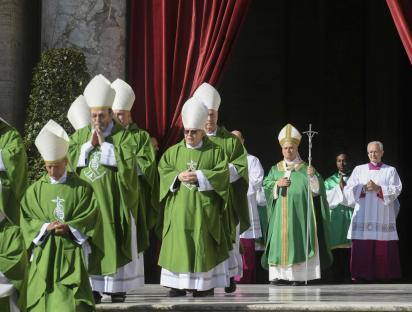
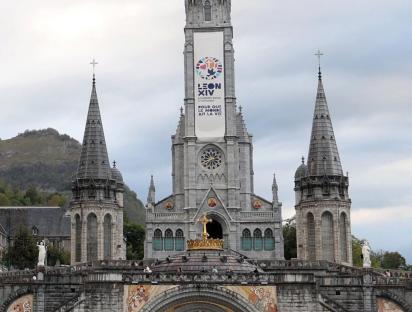
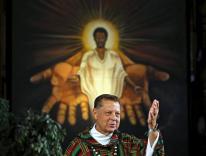
Pope Leo has focused on issues—immigration, economic justice, war and peace, and artificial intelligence—on which the American polity is hungry for moral guidance.
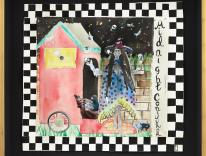
A new exhibit at the Morgan Museum and Library traces tarot's transformation from a courtly card game in fifteenth-century Milan into a map of the modern subconscious.
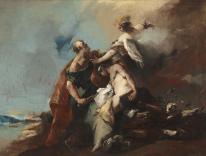
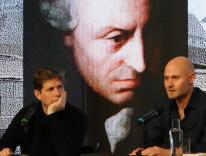
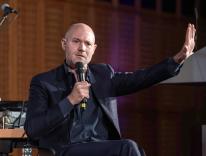
Three writers—a Jewish theologian, a legal scholar and intellectual historian, and a Catholic philosopher of religion—reflect on Omri Boehm’s call for a "radical universalism."
Three writers—a Jewish theologian, a legal scholar and intellectual historian, and a Catholic philosopher of religion—reflect on Omri Boehm’s call for a "radical universalism."
The West still pictures India as rooted in Gandhian tradition. But it is Vinayak Damodar Savarkar's radical nationalism that drives Indian politics today.
J. D. Vance’s ‘Communion’ and Lena Dunham’s ‘Famesick’ are two sequels to splashy, confessional memoirs by millennial authors. Only one of them is fun to read.