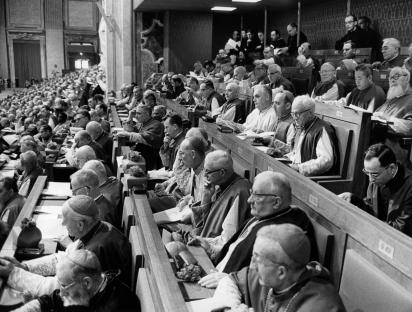
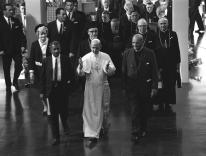
The Church’s leaders cannot assume that Catholics are familiar with 'Nostra aetate,' or that they are all aware of the Church’s long history of anti-Judaism.
As all eyes turn to Lower Manhattan to mark the anniversary of 9/11, many will pass over the nearly two thousand local memorials made from salvaged World Trade Center steel.
We don't need uncritical reverence toward the Western intellectual tradition. But we do need to read it with generosity, rather than hardened suspicion.
America's nineteenth-century country editors are fun to read about, but they shouldn’t be regarded as a foundation for solving today’s crisis in local news coverage.
The conversation among three unlikely dialogue partners—a twentieth-century Jerusalem rabbi, the ancient rabbis of the Talmud, and a German Jewish philosopher—illuminates universalism's real meaning.
Chris Jennings's book about violent Christian separatists traces the fracturing of American society. But was America ever whole before, and can it ever be now?
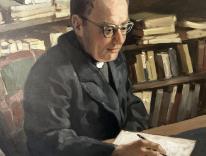
Virgil Michel and his friends at the Catholic Worker knew that liturgy and social justice are inseparable—together, they are the source and the fruit of true Christian spirit.
Bernd Roeck traces the roots of the Renaissance as far back as the sixth millennium BCE. His long view of history explores the “why” of Western culture’s success.
At Trump's Rededicate 250 event, religious leaders insisted that America was founded as a Christian nation. The claim doesn't withstand historical scrutiny.
Accumulating wealth is now the way many people seek to belong—to "buy" their place in the world. But an extrinsic source of belonging will always be fragile.
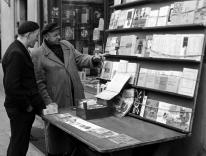
When literature was still recognized as an incomparable source of liberty and dignity to millions, the CIA spent decades distributing banned books behind the Iron Curtain.
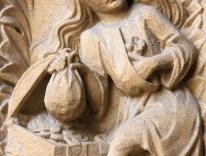
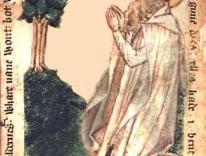
St. Godric’s transformation from successful merchant to ascetic hermit illuminates the ways people relate their religious beliefs to their wealth—in the Middle Ages and today.
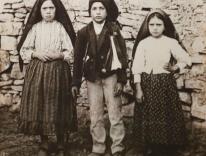
Stephen Harrigan’s book ‘Sorrowful Mysteries’ gives a stirring account of the historical, political, and spiritual impacts of the 1917 apparitions of the Virgin Mary at Fátima.
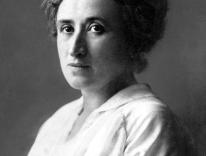
The socialist revolutionary Rosa Luxemburg embodied precisely what we need today: a politics that seeks the flourishing of all creatures and recognizes the radicalism of that demand.
Few writers have argued against modern egalitarianism with more flourish than Samuel Francis. Donald Trump and his gang now practice what Francis preached.
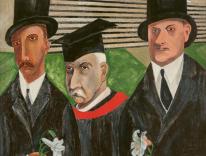
A retrospective at the Jewish Museum draws attention to Ben Shahn, whose art tells the story of twentieth-century life from the perspectives of immigrant workers, tenant farmers, and city-dwellers.
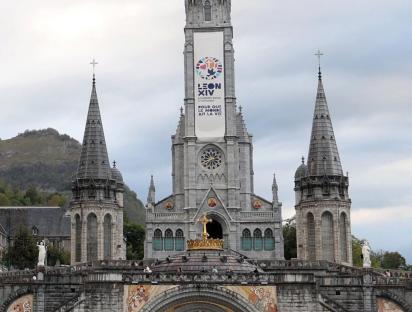
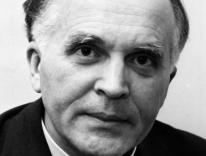
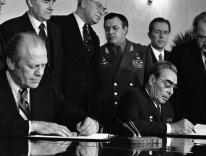
Fifty years ago, the Helsinki Accords reflected a bipolar world dominated by the U.S. Today, Pope Leo XIV faces a geopolitical environment that is far more unpredictable.
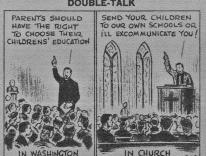
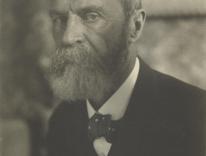
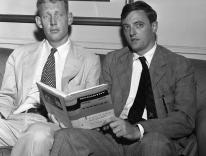
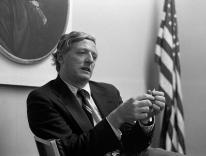
William F. Buckley's critique of Pope John XXIII was one of the most daring episodes in the conservative eminence's career. He later wished it never had happened.