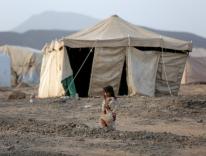
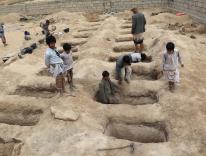
The United States has contributed to the humanitarian catastrophe in Yemen. We have a moral duty to make sure that children do not starve there as a result.
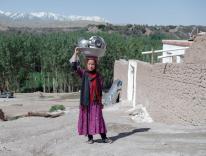
American attention on Afghanistan often neglects the material needs of ordinary Afghans, especially food security, which is now being threatened by climate change.
While the United States continues to re-arm Saudi Arabia, it is complicit in the atrocities committed in Yemen. That such complicity remains legal is no accident.
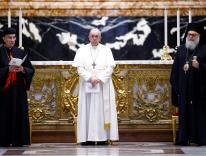
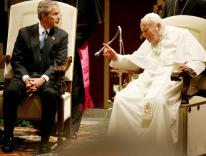
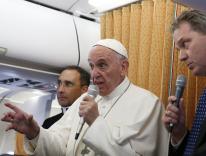
In 2003, Pope John Paul II sent an envoy to persuade George W. Bush not to invade Iraq. As tensions with Iran continue to mount, it’s a story worth revisiting.
‘America’s Dream Palace’ describes the collaboration between U.S. policymakers largely ignorant of the Middle East and the entities to which they turned for advice
For Pankaj Mishra, a “nativist radical right” and “radical Islamism” have emerged against a common backdrop of economic decline and social fragmentation
John Kerry's argument is commonsensical: Given the threats Israel faces, does it really want to intensify conflict in the West Bank? How does that help the region?
Barack Obama may not be leaving office with the successor he wanted, but he could do a service by explaining why the U.S. hasn't rescued Syria, and why it shouldn't.
In "The Terror Years," Lawrence Wright offers a view of the War on Terror through the lens of the individuals and societies that have taken part in it.
In evaluating Obama’s record, one should recall what disarray his predecessor bequeathed him. What will his successor do to advance or complicate his legacy?