The starting point for the unraveling of Catholic confidence in the church’s sexual ethics is contraception. Shouldn't the next synod finally meet the issue head-on?
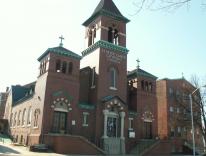
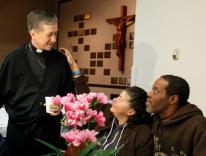
At the 126-year old Catholic Church in Freddie Gray's neighborhood, where structural sin can be fatal, parishioners find ways to work for justice, not just charity.
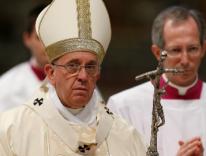
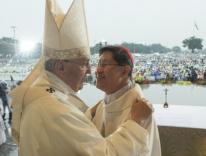
Argentine Archbishop predicts "the people of God" will support Francis's changes long after he's dead—and traditionalists cry schism while non-Catholics convert.
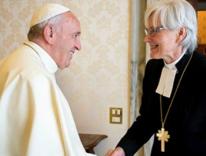
Tight-lipped officials reveal details of Jubilee year. Serra's canonization is almost complete. And for the first time, a woman bishop visits the Apostolic Palace.
Heaven, Purgatory, and Hell each has its own floor. Evoking horror, repentance and beatitude, more than 40 African artists exhibit a new look at Dante and divinity.
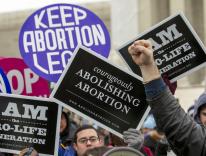
Charles Camosy believes we are “on the verge of a new moment in the abortion debate," politically capable of compromise. But has he misunderstood Catholic teaching?
When we affirm that Jesus is true God of true God, that must be understood absolutely. When we affirm Jesus is true man, that too must be understood absolutely.
Is humanity better or worse off believing in the sacred? Kitcher has not provided new reasons for declaring the death of God, but he certainly makes it seem foolish.
Controversy over the canonization of California's founding father continues; Bishop Finn is finally gone; and Pope Francis will make visit to U.S. Seminary in Rome.
This integrative, enjoyable "book for beginners" still may hold surprises for scholars: nuns absolving sins, petitioners humiliating saints, a woman pope, and more.
Baxter reads fiction to “see bad stuff happening.” He writes characters who get into serious trouble, and face their own "human wreckage" at someone else's request.
Kevin Kruse convincingly claims that the association of patriotism with Christianity comes from a libertarian reaction in American business to the New Deal.
“New atheists” like Richard Dawkins have made a splash with aggressive attacks on religion. But Michael Ruse, philosopher and reflective atheist, is not impressed.
Worshipping with families of Antiochian Christians in Philadelphia, you are an interloper. At the coffee hour, they pile your plate with pastries—"you are new, yes?"
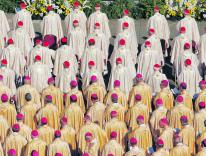
As the Vatican prepares for Holy Week, Cardinal Kasper comments on mercy and other topics, while a new report shows a decline in the number of new priests worldwide.
Readers expecting a tour de force of church history shouldn't. The question for Wills is this: Why do we need the church or Pope Francis to remind us of God’s love?
Spiritual communion, yes; sacramental communion, no. Times may have changed since 1972, but have they changed so much as to invalidate Ratzinger's earlier opinion?
How can it be true both that a person can be virtuous regardless of faith, and that faith is crucial for how we live? David Decosimo presents "prophetic Thomism."
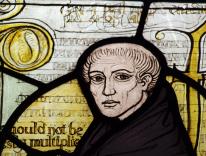
In Pfau's account, when 13th century Franciscan theologian William of Ockham separated reason from will, it was the beginning of the modern evacuation of the self.
Archbishop Cupich talks about immigration, abuse and accountability, what happened at the synod on the family, and meeting the needs of Chicago Catholics.
Sex for the fun of it, children if and when we choose and of the sort we choose. But would such a world be good for children? And would it be good for sex?
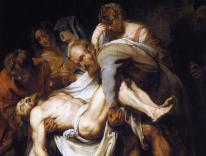
The Catholic painter Peter Paul Rubens presents a particular challenge to classification—decorative, theatrical, busy, pagan, and only superficially Christian.
When we try to be in charge of anything, including our spiritual life, we can narrow ourselves and limit what we might be given. We are part of something larger.