For Pankaj Mishra, a “nativist radical right” and “radical Islamism” have emerged against a common backdrop of economic decline and social fragmentation
The tax proposals that Donald Trump and the Republicans are offering are heavily weighted toward increasing after-tax incomes for the very wealthiest people.
The opaque means by which the wealthy preserve their luxury at our expense is the subject of Brooke Harrington’s new book. What do wealth managers do exactly?
Trump's administration appears to believe that health care, education, and housing are nothing more than commodities to be delivered by the market, or not at all.
Americans streaming south to explore the latest vacation hotspot should not be surprised to hear so many Cubans still saying, in Russian, “Spasiba” (“thank you").
Judging from Donald Trump’s cabinet choices, it turns out that a narcissistic billionaire who doesn’t pay taxes might not be a working-class champion after all.
What might be more important about Trump's election is that the phenomenon seems part of a broader “populist” movement sweeping through most advanced countries.
My gnawing question about Trump voters, especially the dispossessed white working-class ones: Did they vote for Trump because he was Trump, or despite it?
It is not unreasonable to fear that Trump will govern as he campaigned—as an authoritarian, a threat
to the rule of law, an agent of disorder on the world stage.
High-end residential towers in New York, Singapore, London, and elsewhere are just a particularly egregious example of the warping of the modern investment economy.
If the hollowness of the 1990s opened up a space for one kind of communitarian moment, perhaps the bewilderment of today is the occasion for another, different kind.
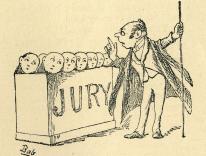
When the summons for jury duty came, I was more than a little excited to see how the system actually worked in real life. The experience did not disappoint.
For many who work, their employment is precarious to the point of affecting their housing opportunities, marriage and family decisions, and general peace of mind.
The most important moral crisis of the twenty-first century may be a leading priority for Pope Francis, but it barely registers on the U.S. political radar.
In 'Success and Luck,' Robert H. Frank explains the human mind is just not designed to think rationally about luck and about how the successful got that way.
New U.S. Census Report data on income, poverty, and health-care coverage comes as good news. But amid the recovery, millions of Americans still feel economic pain.