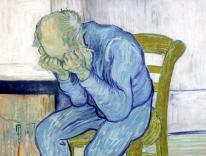
George Scialabba has provided not just a profound account of depression, but a reminder of how precarious our lives can be, and how much we need each other.
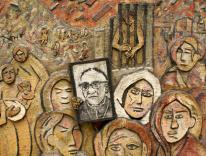
Charter schools are often touted as revolutionary solutions to public school problems. But these schools have sidelined both Black communities and teachers.
For John Cottingham, theism provides a framework for consciousness and morality. Belief is thus a live option for thoughtful, intellectually responsible people.
The planet cannot provide the endless growth capitalism demands. A new book explores an economic reordering that could move us toward a sustainable future.
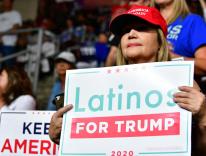
If we assume all Hispanics are part of a liberal majority, we miss something fundamental about Hispanics in the United States, and therefore about the U.S. itself.
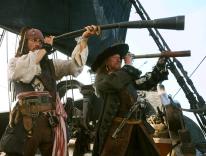
The dashing, Johnny Depp-ian swashbuckler may live in our stories, but the motivation for “turning pirate” rarely has anything to do with a yearning for open waters.
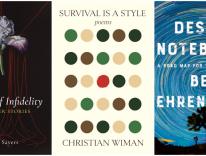
This month: surviving pain through poetry, surviving the climate apocalypse through new (and ancient) narratives, surviving the present through dystopian fiction.
The end-of-summer book rush is here: Jane Austen and the Brontës reimagined, poetry lauding birdsong and lamenting Twitter, and new novels by familiar authors.
Not least among its virtues, a new book of essays on Catholic Social Teaching throws into stark relief the state of the Church in the United States and Europe.
Wendell Berry’s book about American racism, The Hidden Wound, is half-a-century old this year. It can be considered an exercise in white vulnerability.
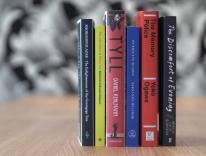
A look at each of the six novels on the Booker International Prize shortlist: from fable to satire, from Argentina to the Netherlands, each an admirable work of art.
Catholics may accept evolution now, but it wasn’t always so. The bunker-mentality of nineteenth-century Neo-Scholasticism damaged Catholic theology for decades.