Without thought we call fish thrashing
fitfully in the ice chest an it, as we do
bugs that bite us or merely scurry,
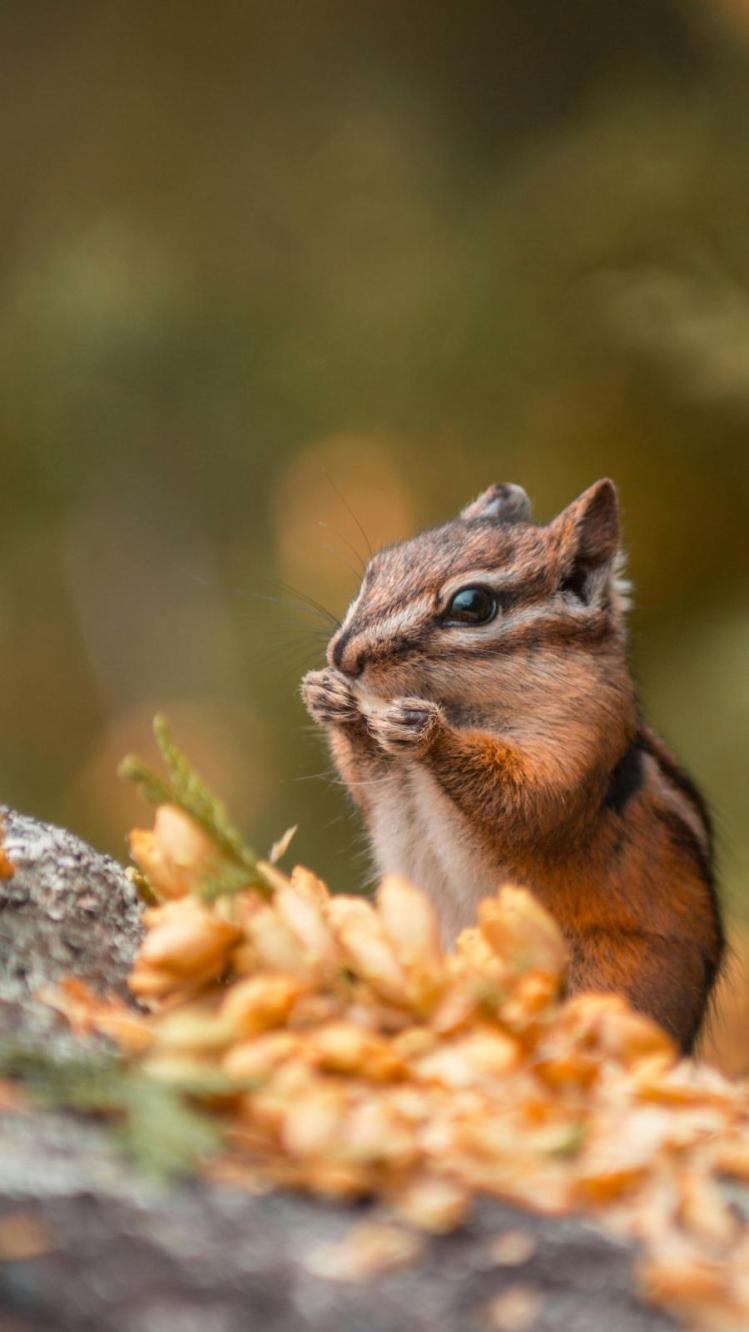
but the svelte warm-blooded chipmunk
crouched in curvaceous repose to sun
himself in the niche atop our rock wall,
where all our chipmunks throughout
the years have squatted, seems too sleek
with snazzy running stripes, tail curled
just so snugly round his petite paws,
so us-like and too beautiful, in short,
for an ambiguous pronoun that does fit
gasping carp or green-glistening flies
whose grotesque symmetries both repel
and fascinate though never can we see
in such not-us others the pensive quietude
and serene repose our chipmunk’s gaze
across mowed lawn to ragged edges
of our woods present for us, suggesting
a contemplation beyond the barriers
of our words or reason that knows
unknowable Brahma, thus warming
that ineffable longing born at birth
within us for our long-buried souls,
even though our human savvy knows
his glassy eyes aren’t distanced off
into the penetralia of an Oversoul,
but are keeping a wary rodent’s watch
upon dark openings in underbrush
for creeping cats, rivals for his rocky den
or most likely a female with whom
to obey that duty implanted in all of us
that live, which is why I call him, him,
though to prove it I’d have to shoot him,
like Audubon got his birds to sit still,
then I could prod his furry underbelly
for telling bumps, and so I can only guess
he’s a he, though we, whose sense
ever-narrows in these present days
of wary eyes and careful words,
would work for me as they did once
when our singer of himself jumbled blades
of grass, masses of creamy stars,
whole universes inside himself to explode
them forth in raucous sacred songs.