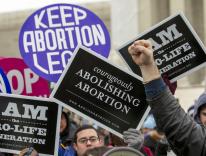
Charles Camosy believes we are “on the verge of a new moment in the abortion debate," politically capable of compromise. But has he misunderstood Catholic teaching?
Baxter reads fiction to “see bad stuff happening.” He writes characters who get into serious trouble, and face their own "human wreckage" at someone else's request.
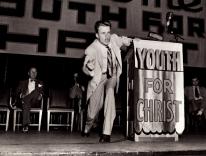
Kevin Kruse convincingly claims that the association of patriotism with Christianity comes from a libertarian reaction in American business to the New Deal.
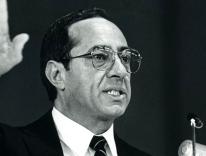
A governor of modest achievements, Mario Cuomo nonetheless left a mark on the nation's broader political debates and offered a forceful rebuttal to Reaganism.
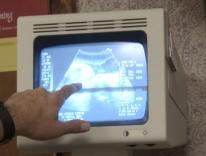
Making sure late-term abortions are done only to save the life of the mother—under the safest conditions possible—should be something both sides can agree on.
Contrary to popular belief, the USCCB does not have the power to tell individual bishops—or Catholic health-care systems—what to do and what not to do.
On the thirtieth anniversary of Joseph Bernardin's lecture on the consistent ethic of life, four contributors reflect on its meaning for today's church.
Unless the exchanges make clear which plans cover elective abortion and which don’t, the ACA’s requirement that insurers segregate abortion funds makes little sense.
Thirty years later one wonders how many recall the debates the lecture engendered. It bears re-reading; the challenges it poses may be even more pressing now.
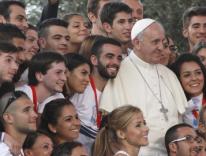
Whether liberal or conservative, reform-minded or traditionalist, Catholics were stunned by the interview Pope Francis recently gave. So were many non-Catholics.
'Catholics in the American Century' gathers essays exploring how Catholic experience and perspectives enrich our understanding of the broader American experience.
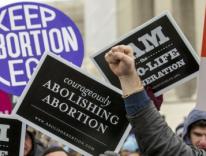
That Americans and American Catholics remain divided over abortion is to our credit. But some divisions are more necessary, compelling, or expedient than others.