Community organizing and activism are happening beyond traditional parish structures, generating vitality and purpose from which many parishes could stand to learn.
This COVID-19 crisis is the kind of emergency that in the last two centuries has amplified the advantage the institutional papacy has over local churches.
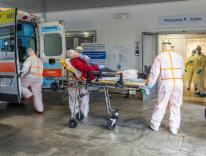
Catholic hospitals are already underfunded. With COVID-19 cases rising, they face an ethical dilemma: how to distribute limited resources in favor of the poor.
Churches are spaces for every part of the body of Christ. By not making them accessible to disabled Catholics, we fail in our commitment to universal inclusion.
We’re at a moment right now when physical presence isn’t possible. But in these next few days, picture it anyway, and the loving relationships that sustain you most.
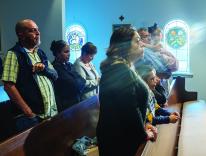
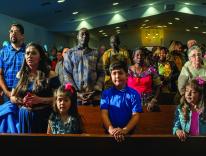
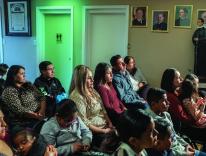
The parish, like the country, is changing and diversifying—but we should embrace these changes, and recognize them as opportunities rather than threats to our faith.
Demographic shifts, a shrinking priesthood, and the financial pressures facing the church all tell a complex story about the future of Catholic parishes.
Preachers should emulate teachers at mass, striving to be adaptable, humble, loving, and willing to learn by inviting participation from the congregation.
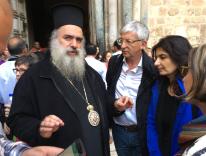
A new social document from the Orthodox Church brings the political responsibilities of the church to the fore, tackling inequality, refugees, and many other topics.
The coronavirus crisis will likely demand the kind of collective sacrifice not seen since World War II. It will also challenge how we live together in society.
David Bentley Hart’s book makes the case for universal salvation, arguing that a belief in eternal damnation is morally repugnant and theologically insupportable.
Problems have solutions, while mysteries like suffering, love, and death do not. They must be instead lived out with attention to human richness and interconnection.
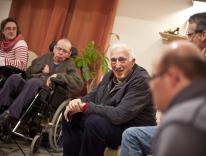
Lies and deception have compromised the integrity of the mission of L’Arche. But it has also responded with humility and integrity, and begun the work of healing.
Giving medical professionals some agency in end-of-life decisions can be consistent with church teaching. We just need to integrate the concept of futility.
Francis’s post-synodal exhortation ‘Querida Amazonia’ is unique in more ways than one. It throws his one major structural reform into considerable turmoil.
“We might then think of our redeemed bodies almost like diamonds, simultaneously refracting different times of our lives as we turn in the light of God’s love.”
The Catholic Church in Canada has not escaped the abuse crisis. But Canadian activists and church leaders are moving toward transparency and increased awareness.
Ryan was a bit of a skeptic in his way, rejecting, or at least being indifferent to, church teachings that didn’t arise from identification with the poor.
A new book on Francis by noted papal biographer Austen Ivereigh promised to be more critical. And yet in important ways, it again lets Francis off the hook.
The short poems of Samuel Menashe are unique: self-contained epigrams, charms, wishes, prayers, descriptive one-shots, shapely units of quotable wisdom.