In his final book, the late Peter Gay expands familiar notion of the Romantic rebellion against Enlightenment rationality, to the focus on artistic self-expression.
Readers "angered at the tortured logic of the editors" respond to the removal of Bishop Finn, Francis's failures, the value of "big history," and how to know Jesus.
Do Catholic institutions actually convey an education in humanistic culture—or in prophetic culture, for that matter? Do they do this in the classroom? Or elsewhere?
Pinckney's short history deals with basic things—Reconstruction, Ku Klux Klan terrorism, crude political machinations like Plessy v Ferguson—white people can forget.
The pro-British kings archeologist-turned-spy-turned-colonel T.E. Lawrence helped establish in Arabia, Iraq, and Transjordan made "Arab unity" a "madman's notion."
Is humanity better or worse off believing in the sacred? Kitcher has not provided new reasons for declaring the death of God, but he certainly makes it seem foolish.
William Deresiewicz not only critiques the idea that college education is about learning marketable skills; he also revives the quest for meaning, self, and soul.
It’s bad enough that college is so expensive. But the toll exacted by the extra burden of student debt threatens the common good higher ed is meant to preserve.
One might wonder whether there’s really a need for a special discipline to study God’s revelation. Can’t we just read it in the Bible and leave it at that?
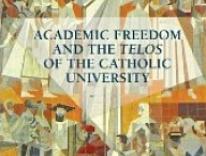
Briskly analyzing the nexus of Christian epistemology, inquiry, and education, Kenneth Garcia proposes a more constructive understanding of academic freedom.