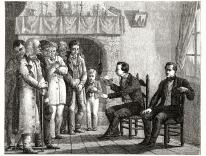
"When a ninety-year-old Catholic mother dies, a man who’s been at the parish for fewer than six years puts on a robe, says a few words, and then we go home. And every time I think, you have no idea who you had here."
Our culture is marked by a competitive victimization. But perhaps we need to see what both secular and religious perpetrators of violence have in common.
Too many political decisions during the pandemic were justified on supposedly scientific grounds when they should have been subject to democratic deliberation and debate.
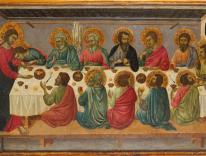
Stephen Harrigan’s book ‘Sorrowful Mysteries’ gives a stirring account of the historical, political, and spiritual impacts of the 1917 apparitions of the Virgin Mary at Fátima.
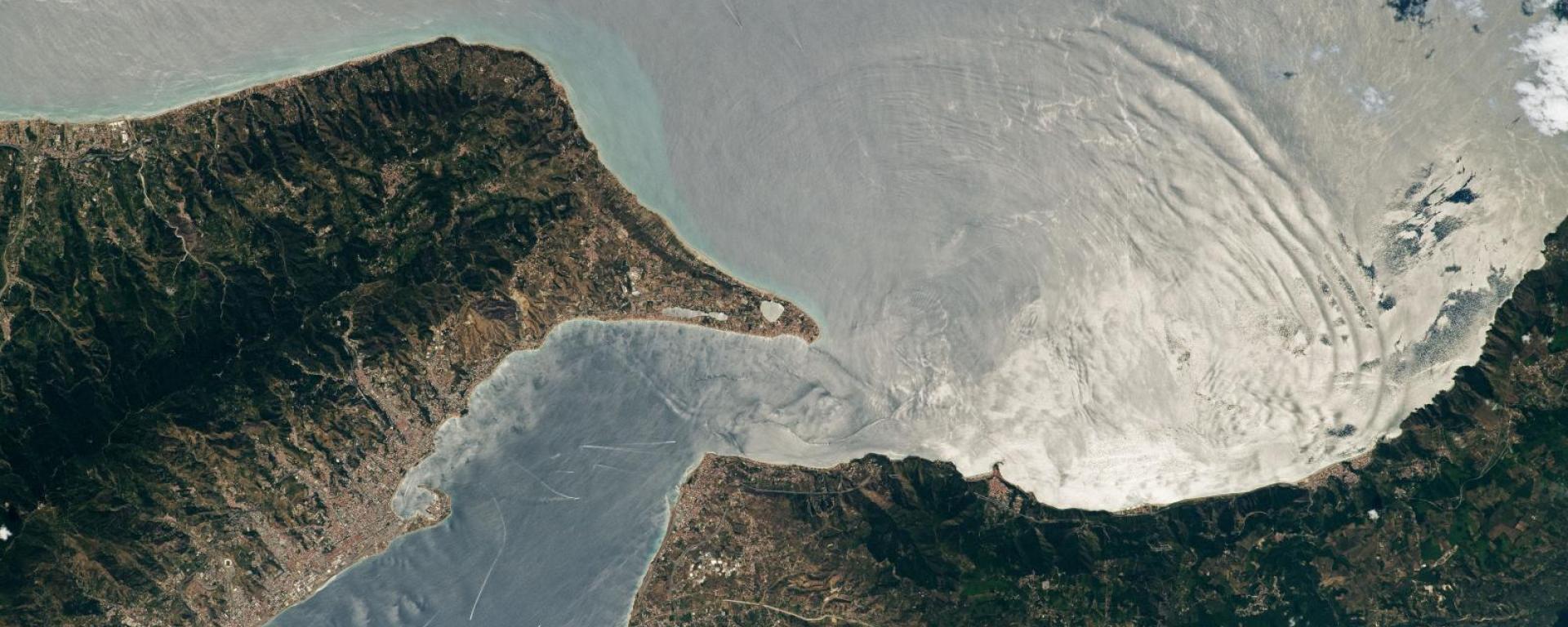
Seeing God’s work in the patterns of the natural world can be a beautiful thing, provided we avoid making a scientific, causal hypothesis out of our experiences.
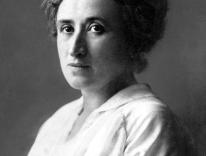
The socialist revolutionary Rosa Luxemburg embodied precisely what we need today: a politics that seeks the flourishing of all creatures and recognizes the radicalism of that demand.
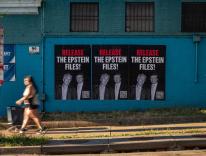
Donald Trump built a political career on manipulating conspiracy theories, but his failure to get a handle on the Epstein case has exposed a growing rift among the MAGA faithful.
Contributions to this symposium challenge us to think more deeply about how the Church and civil society can recognize and honor the humanity of those dealing with mental illness.
One specific thing the institutional Church might usefully do: firmly and publicly reject the proposition that Scripture calls on Christians to uncritically support the modern nation-state of Israel.