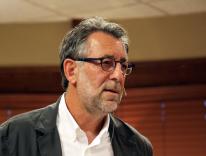
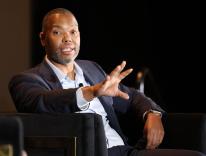
For all their differences, both Jordan Peterson and Ross Douthat engage in a pragmatic effort to enlist belief on behalf of a reactionary political project.
In Christopher White's 'insta-book' on Leo's early papacy, Pope Francis is a central figure. In Matthew Bunson's biography of the new pope, Francis hardly exists.
The neglected Danish author Henrik Pontoppidan leaves no section of human society—government, church, rural life, city living, commerce, romance—untouched by his critical eye.
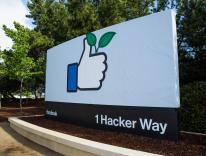
Sarah Wynn-Williams’s memoir is a horrifying exposé of misbehavior at Facebook. But she never fully explains why she joined such a ruthless company in the first place.
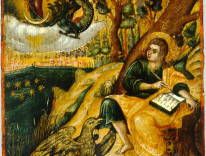
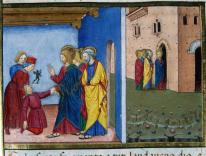
Paula Fredriksen’s 'Ancient Christianities' looks to explore the tangled root system underlying Christianity—not a story of a series of individual men, but of broad social movements.
Modern progressivism suffers from three prejudices, each woven into our understanding of key values: equality, toleration, individual freedom, and scientific advancement.
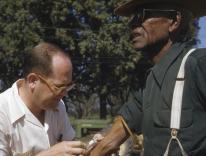
Carl Elliott's new book documents the stories of whistleblowers who report abuses in the medical system—and asks bigger questions about why so many don't.
A father and son pair of biblical scholars insist that changing one’s mind about sexuality is legitimated by the way Scripture shows God changing his mind.
When I say that the following were my favorite books of the year, I mean that they’re the books that gave me delight when I tried to figure out what made them tick.
If you’re looking for a Christmas gift for a music lover who enjoys English history, this well-written, thoroughly researched history of Handel's 'Messiah' might be the choice.
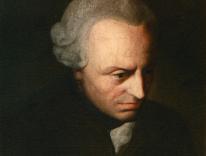
Kant’s work was considered such a threat to Church teachings that even scholars needed special permission from their bishop or religious superior to consult it.