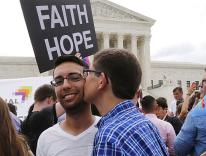
The core liberal conviction about the Supreme Court still rings true: it is most constructive when power is used to vindicate the rights of beleaguered minorities.
For Francis, climate change is part of a larger ecological crisis—that itself is part of a larger ethical failure involving how we treat the poor and the unborn.
Anne Enright's new novel suggests something simple—family, for good or ill, keeps forming us even when we try to escape it—but her prose constantly surprises.
In her new book, Jane Maienschein lays out the history of embryonic science—going back to Aristotle—hoping to answer an old question: When does a human life begin?
Amusing and engaging, Barney Frank's stories (from sixteen terms in Congress) tell what kinds of “inside politicking” informed the presidencies of LBJ through Obama.
Paul Moses's history of Irish-Italian relations in 19th century New York delves into the causes for "race war" between the immigrant groups and how they overcame it.
Langdon Hammer's biography of poet and writer James Merrill is "wholly definitive" in scope, and threaded throughout with Merrill’s brilliant, always enlivening wit.
If you ask me, being a writer is a little like falling in love. No matter how uncomplicated it seems at the start, it is always complicated. The trick is to persist.