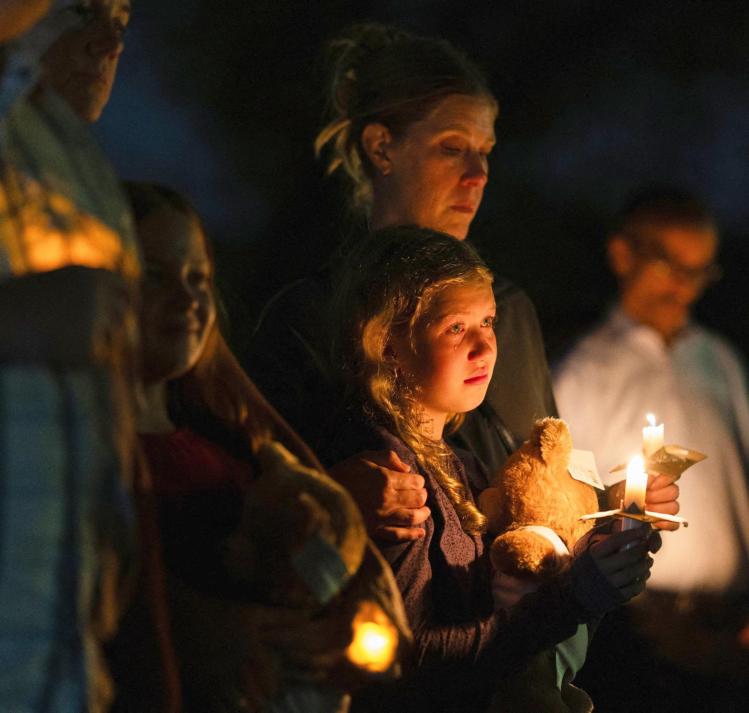
The shooting at Annunciation Catholic School in Minneapolis on August 27 prompted an all-too-familiar response. Rather than focusing on the death of the two students—eight-year-old Fletcher Merkel and ten-year-old Harper Moyski—most of the coverage of the tragedy has been centered on the gender identity and political motivations of the shooter, a twenty-three-year-old trans woman, or the political efficacy of offering “thoughts and prayers” to the victims. It’s become increasingly clear that we lack the moral language to have an honest conversation about guns and the culture of violence we all have to endure, regardless of one’s stance on the Second Amendment.
In the United States today, firearms kill more children than cancer, car crashes, and every other cause. Tragically, the two children killed last week in Minneapolis won’t be the only ones killed this year by guns. And, as we brace for the next school shooting, Catholics, like all Americans, have to reckon with the country’s growing indifference to these repeated and completely avoidable acts of violence.
Though the Church has consistently advocated for “the reasonable regulation of firearms,” American Catholics remain largely divided on the issue. Many have made their peace with guns or have come to embrace firearms, particularly Catholics who live in regions of the country where guns and gun culture are a normal part of life. Catholics who live in cities, however, overwhelmingly support tighter gun control regulations. Because opinions about guns have solidified in rural and urban communities, the most fruitful conversations about guns and gun control reform are mostly likely to take place in the suburbs, where voters are sympathetic to calls for gun reform. This makes moderate and conservative Catholics in these purple swaths of the country an important potential swing group that could change how we as a nation think and talk about guns.
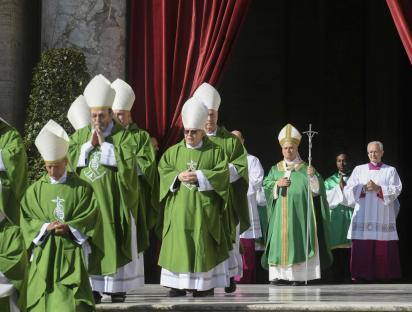
One group of Catholics who have a fair amount of credibility with cross-sections of Catholics is the United States Conference of Catholic Bishops, which largely aligns with Republican-held positions on abortion and same-sex marriage. That said, the Trump administration’s aggressive and dehumanizing anti-immigrant policies, coupled with the Francis-appointed bishops who have taken a strong stand on immigration, have shifted this dynamic in an increasingly pronounced way. But the bishops can hardly be mistaken for liberals. A forceful stand against gun culture, followed by sustained calls for real gun-control measures, would be a welcome use of the credibility American bishops currently enjoy with moderate and conservative Catholics.
They could, for instance, issue a pastoral letter about gun violence modeled after the USCCB’s influential pastoral letter from 1983, “The Challenge of Peace: God’s Promise and Our Response,” which clarified Catholic teaching on deterrence and the possession of nuclear weapons. Such a letter would build on the conference’s letter from June 2022, which was delivered to Congress a week after the school shooting in Uvalde, Texas, and less than a month after the mass shooting in Buffalo. Signed by four bishops, the letter urged members of Congress to vote in favor of two bills that would make “incremental but meaningful improvements” to existing background-check laws.
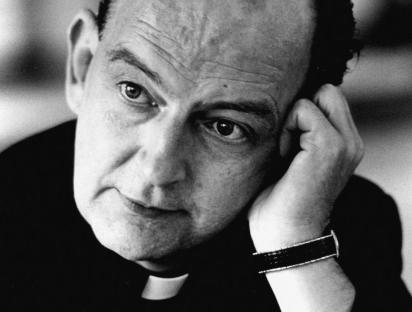
Though both bills passed the Democratic-controlled House, they stalled in the Senate. Enacting federal legislation for tighter gun-control laws remains a long shot. But it should not be the only goal. The bishops can continue to advocate for tighter gun-control laws in state legislatures, while working to improve access to resources for mental health care and early-intervention programs around the country. The bishops called for such measures in their letter to Congress, and this week, Bernard Hebda, archbishop of St. Paul and Minneapolis, likewise asked the community to confront the prevalence of gun violence and the increasing mental-health crisis as they continue to pray for the victims of the Annunciation shooting.
These and other efforts are in keeping with the USCCB’s 1994 statement condemning a culture of violence, in which they called for a “consistent ethic of life.” “Our society seems to be growing numb to human loss and suffering,” the bishops wrote. “A nation born in a commitment to ‘life, liberty and the pursuit of happiness’ is haunted by death, imprisoned by fear and caught up in the elusive pursuit of protection rather than happiness.” Anticipating today’s synodal conversations, the bishops called on the Catholic community with its “strong convictions and vital experience” to “enrich the national dialogue on how best to overcome the violence that is tearing our nation apart.”
As a global institution, the Catholic Church operates in hundreds of countries, including many with lower gun-death rates than the United States. As an American with global experience—including in Peru, which has one of the lowest gun-death rates in South America—Pope Leo should be particularly attuned to this matter and should think seriously about speaking up about it himself. His initial statement on the tragedy was in the “thoughts and prayers” vein, but in his Angelus address on August 31, he prayed for a stop to the “pandemic of arms.” Is it unrealistic or naïve to expect the new pope to use his influence and popularity to raise the issue with American bishops, perhaps in the style of Francis’s letter on immigration?
To truly walk the synodal path that Pope Francis has set the Church on and that Leo has shown all signs of following, Catholic lay leadership needs to step up. Stronger episcopal action, working in tandem with the Vatican, might inspire politically moderate and conservative Catholic laity to join this cause and reinvigorate the membership rolls and influence of lay groups that have been pursuing it for decades with only marginal success.
Like every mass shooting, the tragedy at Annunciation should be a turning point, a wake-up call. At the very least, it should compel us to honestly discuss what is at stake and what kind of words and actions might make a difference. Gun culture and politics in the United States have most of us in a holding pattern. It is time for those with any kind of religious, political, or moral authority to speak up. The USCCB ought to leverage its conservative credibility to do so now. The slain children in Minneapolis cry out for it.