In 2015, Pope Francis exhorted his audience at a plenary session of the Pontifical Academy of Social Sciences to “rediscover the value of the family as the source and origin of the social order, as the vital cell of a fraternal society capable of caring for the common home.” American liberals tend to shy away from this kind of rhetoric, and for some understandable reasons. The right, especially the religious right, has responded to social changes such as feminism and LGBTQ rights by doubling down on the rhetoric of “family values.” But when it celebrates “the family,” it means a traditional, patriarchal—and for many MAGA Republicans—white family.
The Trump administration’s latest attempts at “family policy” involve the usual toxic mix of culture-war provocation and corporate collusion. In July, as part of the One Big Beautiful Bill Act (OBBBA), the Social Security Administration began rolling out IRA accounts for each newborn baby with a $1,000 starting balance provided by the federal government. Ostensibly, these “Trump Accounts” address inequality by giving all Americans a stake in the stock market (that famous vehicle of equality). But because their value depends on regular contributions by parents, they are likely to benefit those who already have a lot, as well as the financial-services firms that are guaranteed a new generation of fee-paying customers. Provisions allowing corporations to make direct contributions may also prove to be another means for evading taxes and juicing stock prices. Considering the malicious cuts to SNAP benefits and Medicaid also included in the OBBBA, Trump Accounts, which can’t be touched until children reach eighteen, are an insult to poor Americans—like stripping the life jacket off a drowning person and tossing them a small stack of casino chips.
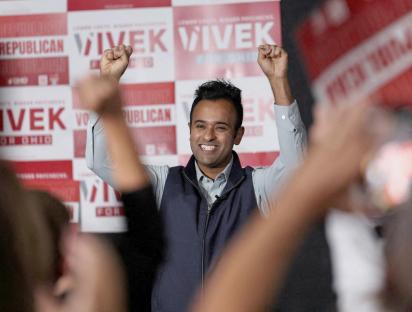
Perhaps even more insulting is the proposal spearheaded by Vice President J. D. Vance that would take funds now designated for working parents and allocate them to stay-at-home spouses. The administration would incentivize families with one spouse (usually the mother) at home, while leaving families with unmarried, single, and low- but dual-income parents out in the cold. The policy is part of a long-running war on public childcare. In 2021, Vance claimed that the push for publicly funded childcare is “a massive subsidy to the lifestyle preferences of the affluent over the preferences of the middle and working class.” His boss’s rationale is at least more honest: “We can’t take care of daycare,” Trump has said, “we’re fighting wars.”
The Trump administration’s family policy—as well as its family-destroying immigration policy—makes it clear that it regards the family not as the “source and origin of the social order” but as a bastion of phony traditionalism and a culture-war prop. The right’s relentless program of weakening, privatizing, and means-testing public supports has made raising children much more difficult. The cost of childcare now outpaces the rest of inflation, to the point that daycare for two kids is substantially more expensive than the median rent in most parts of the country. The Brookings Institution estimates that on average it now costs $310,000 to raise a child to age seventeen. Having children, according to one analysis, leads to 36 percent of all U.S. poverty.
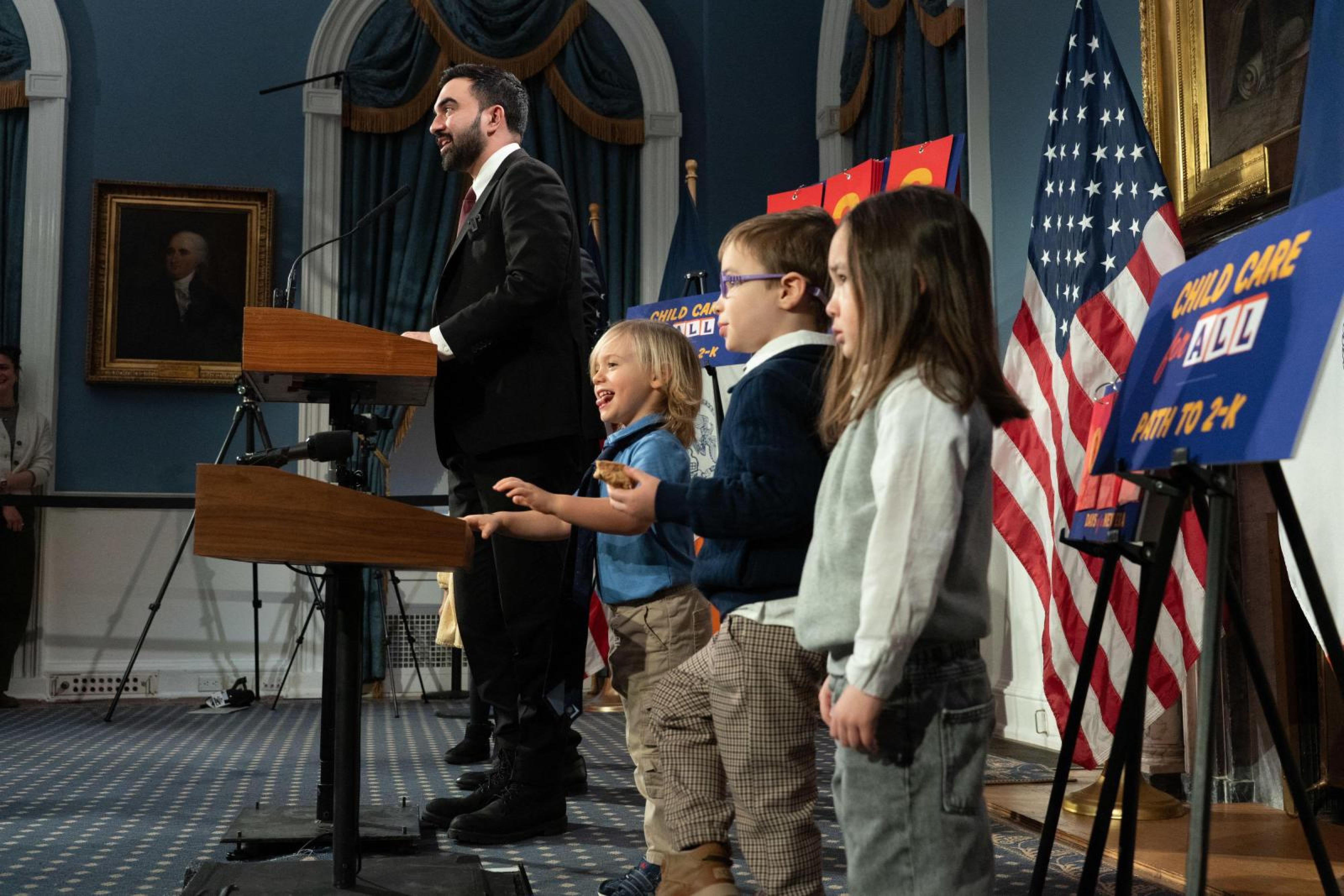
High-quality childcare is the obvious centerpiece of any just family policy, and many state and local Democrats have taken steps in the right direction. In New York City, Mayor Zohran Mamdani and Gov. Kathy Hochul have begun rolling out a free 2-K program; Vermont used a payroll tax to subsidize childcare with copays below 10 percent of family income; New Mexico became the first state to offer universal childcare by using funds from the state’s sovereign-wealth fund. To be sure, some of those programs have faced serious revenue challenges, but that’s mostly because, contra Vance, they are very popular with ordinary Americans. More resources are clearly needed from the federal government. These should include generous federal family-leave policies; universal childcare and pre-K programs; an expanded child tax credit; and, ideally, free healthcare for children. Democrats should follow Rep. Ro Khanna’s lead by including generous allowances for parents who opt out of daycare programs and choose to parent at home. Otherwise, they leave themselves vulnerable to bad-faith critiques like Vance’s.
As important as the policies is the rhetoric used to advance them. The reluctance to have children—or to have more children—is not only an issue of affordability. (Birth rates are in decline even in countries with the most generous benefits.) It is part of a deep-rooted pessimism about public life and an overdeveloped individualism. There is a sense that we are all out for ourselves, opportunity is zero-sum, and that we share no “common home” but are doomed to fight tooth and nail for our little sliver of comfort and security. These sentiments beleaguer the family not only from the outside but from within. The extended family is in decline, divorce and estrangements between children and parents have become commonplace, and domestic violence is increasing as a share of overall crime.
No childcare or healthcare bill can solve all those problems overnight, but liberals can frame their policies as a force for reviving the family and its vital societal role without succumbing to right-wing moralism. Making family life feasible and strengthening its fragile bonds is the first step toward building a truly fraternal society.
We welcome your comments about this article. Please send your response to [email protected].