October 2021
2010s
In the face of growing polarization within the country and the Church, Commonweal reasserts its founding principle: that Catholic Christianity is compatible with liberal democracy.
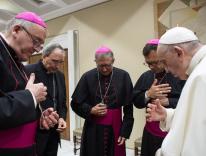
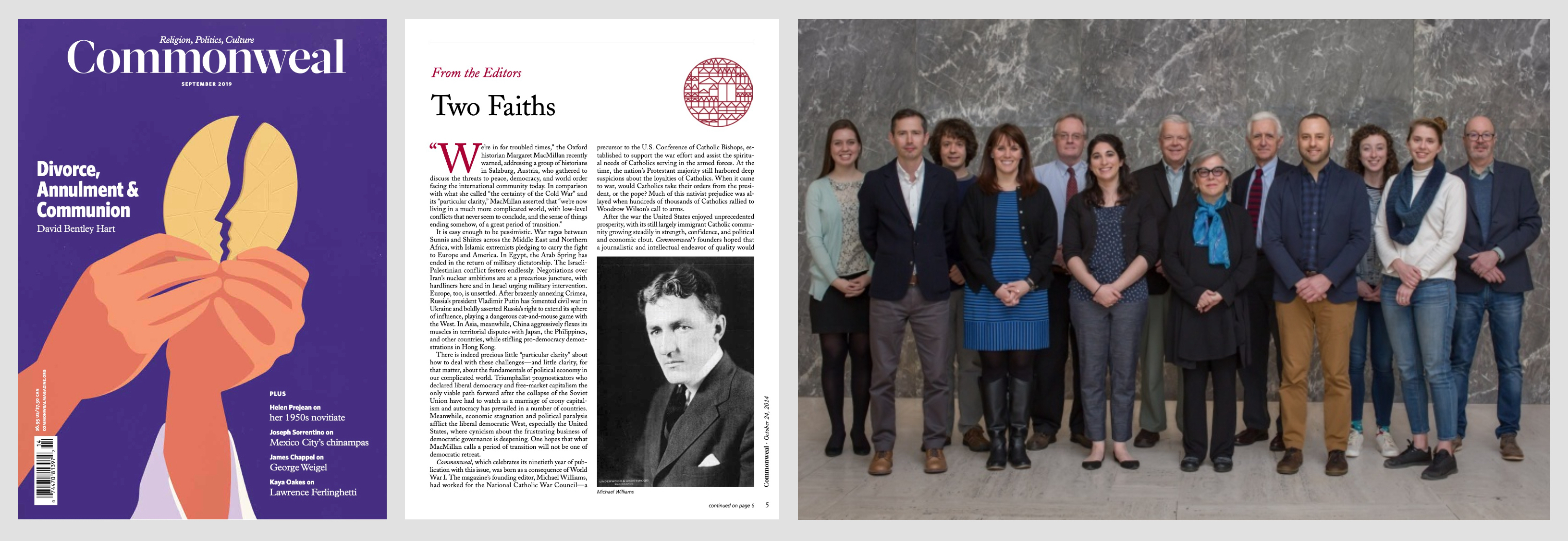
Throughout the second decade of the twenty-first century, Commonweal warned about the dangers of the American Church—and, in particular, American bishops—growing too close to the Republican Party. Responding in 2012 to the bishops’ dramatic warnings about threats to “religious liberty” posed by the Obama administration’s health-care laws, Commonweal noted that “in their simplistic rhetoric, the bishops sound more like politicians than pastors.”
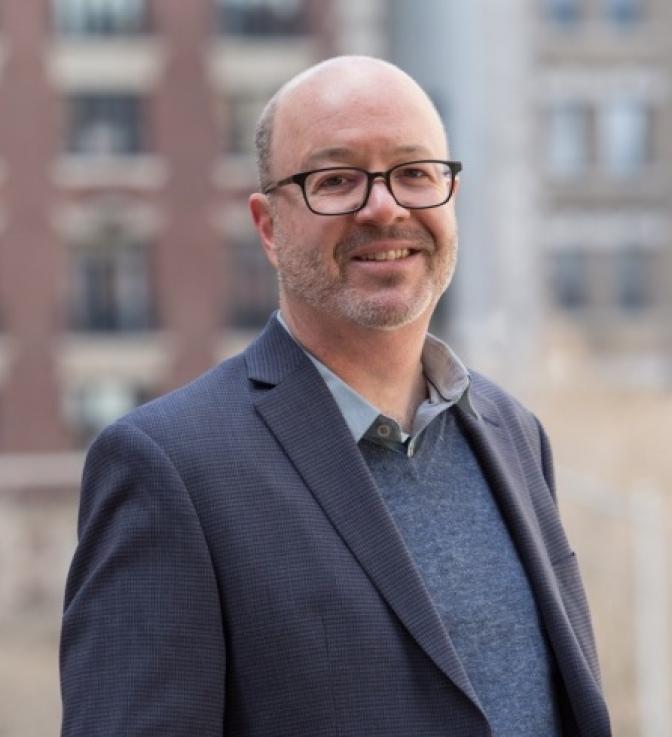
In an editorial on the occasion of Commonweal’s ninetieth anniversary in 2014, the editors reminded readers of the magazine’s continued commitment to what they called its “two faiths”—in Catholic Christianity, and in liberal democracy: “The church has something to learn from American democracy about institutional accountability, but Catholicism still has much to teach the modern world about justice, the limitations of individualism, and the sanctity of life.”
Editorial highlights
Sins of Admission: Why Wouldn’t Gay Parents Pick a Catholic School? by Anonymous
Morbid Symptoms: The Catholic Right’s False Nostalgia by Gene McCarraher
The Bishops & Religious Liberty by William Galston
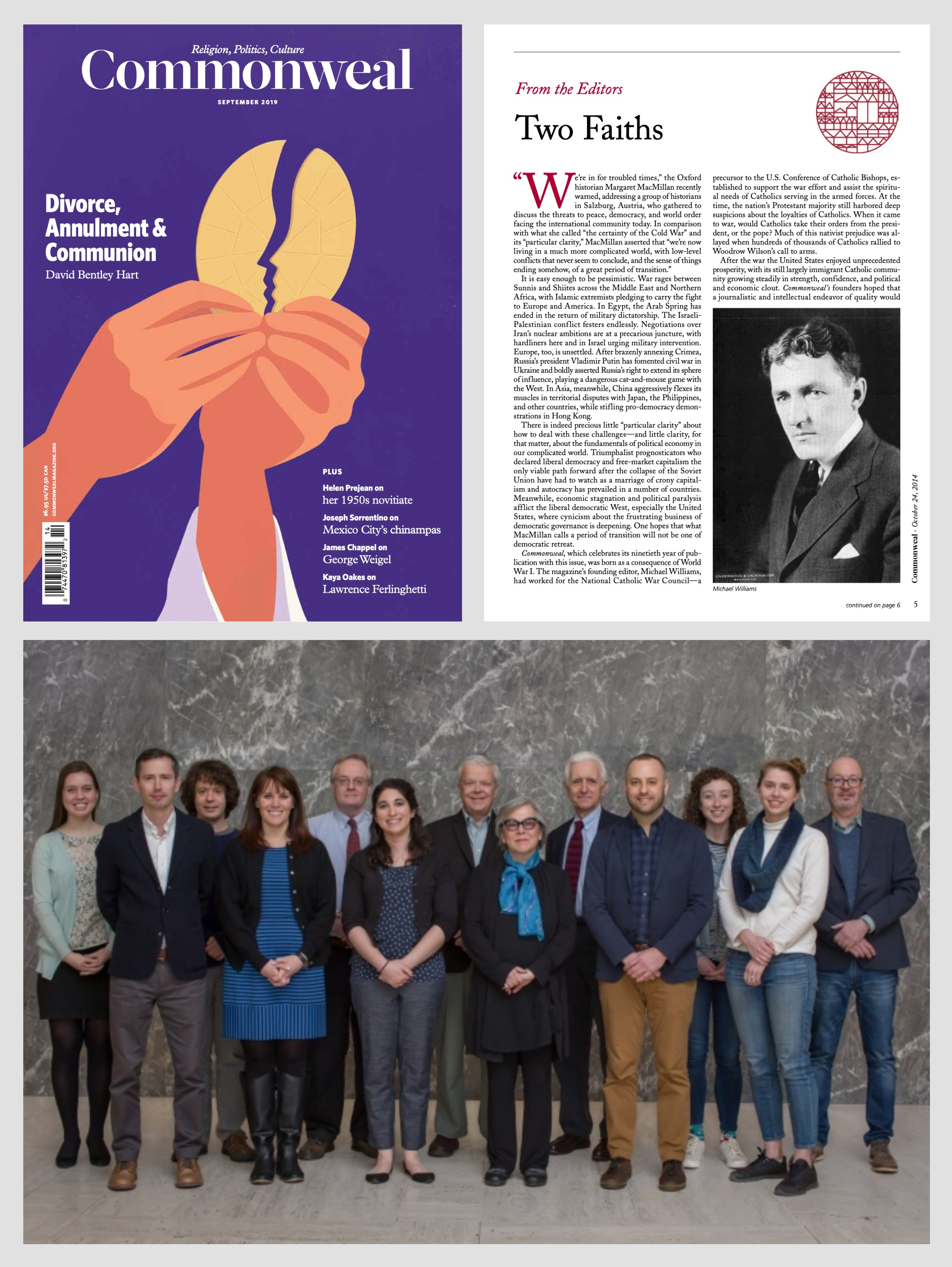
Dominic Preziosi succeeded Paul Baumann as editor in 2018, and in the following year Commonweal became a monthly magazine, with an expanded number of pages and a thorough redesign. By the end of the decade, print circulation had shown an increase for the first time in many years, while Commonweal’s digital readership (via its website, podcast, and social media) reached a far larger audience than at any point in its history.
2000s
A long pontificate ends; the ‘forever war’ begins.
The September 11 terrorist attacks in 2001 brought an immediate warning from the editors about where they might lead the country’s foreign policy: “Boastful unilateralism and naive isolationism,” they wrote, “now stand exposed as folly.” Throughout the decade, Commonweal would criticize the Afghan and Iraq wars that followed 9/11, and the anti-Islamic rhetoric that the “war on terrorism” helped generate.
The early years of the decade also saw sexual abuse emerge as an issue that would cause disillusionment with the Church and its leaders, and bring a crisis of credibility that continues to shape American Catholic life. In 2002, as bishops struggled to react to new revelations of abuse, Peter Steinfels wrote: “There is a terrible vacuum of leadership at the highest levels of American Catholicism…. It has been deliberately created by years of episcopal appointments and Vatican interventions.”
Editorial highlights
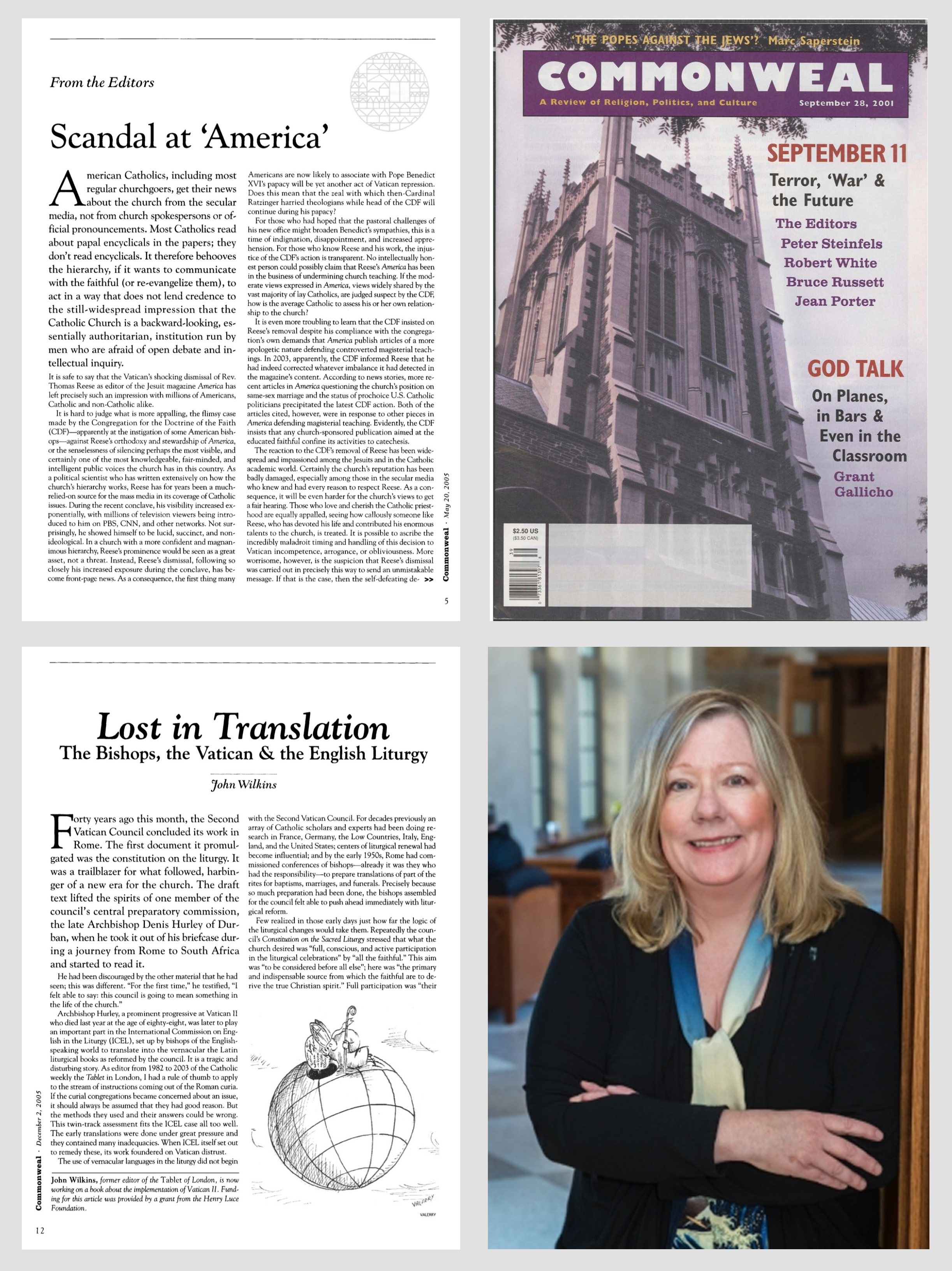
Scandal at ‘America’ by The Editors
Lost In Translation: The Bishops, the Vatican & the English Liturgy by John Wilkins
Cross Examination: Why is Rome Investigating U.S Nuns? by Sister X’
A Bitter Pill by Leslie Woodcock Tentler
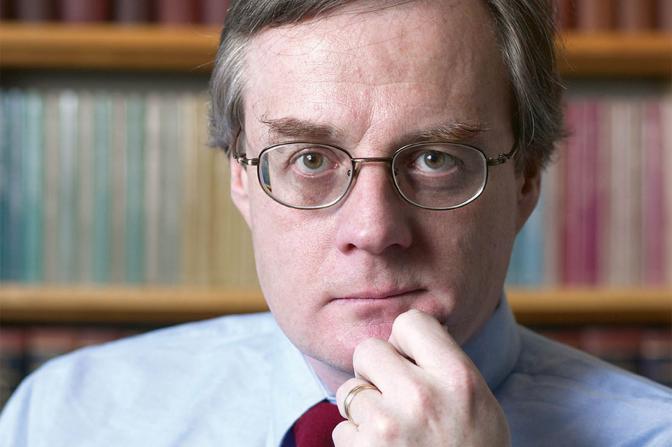
One such intervention in 2005 was the firing of America magazine editor Thomas Reese, SJ, under pressure from Rome, a disruption of the Catholic press that brought immediate condemnation from Commonweal’s editors: “What gives scandal to people in the pews is the arbitrary and self-serving exercise of ecclesiastical authority.” That same year saw the death of Pope John Paul II after a twenty-seven-year reign that created both a powerful global image for Catholicism and a focus, inside the Church, on discipline and control. As the editors put it, “He gave the church the most accessible and compelling public face imaginable, yet turned a stony face toward many fellow Catholics.”
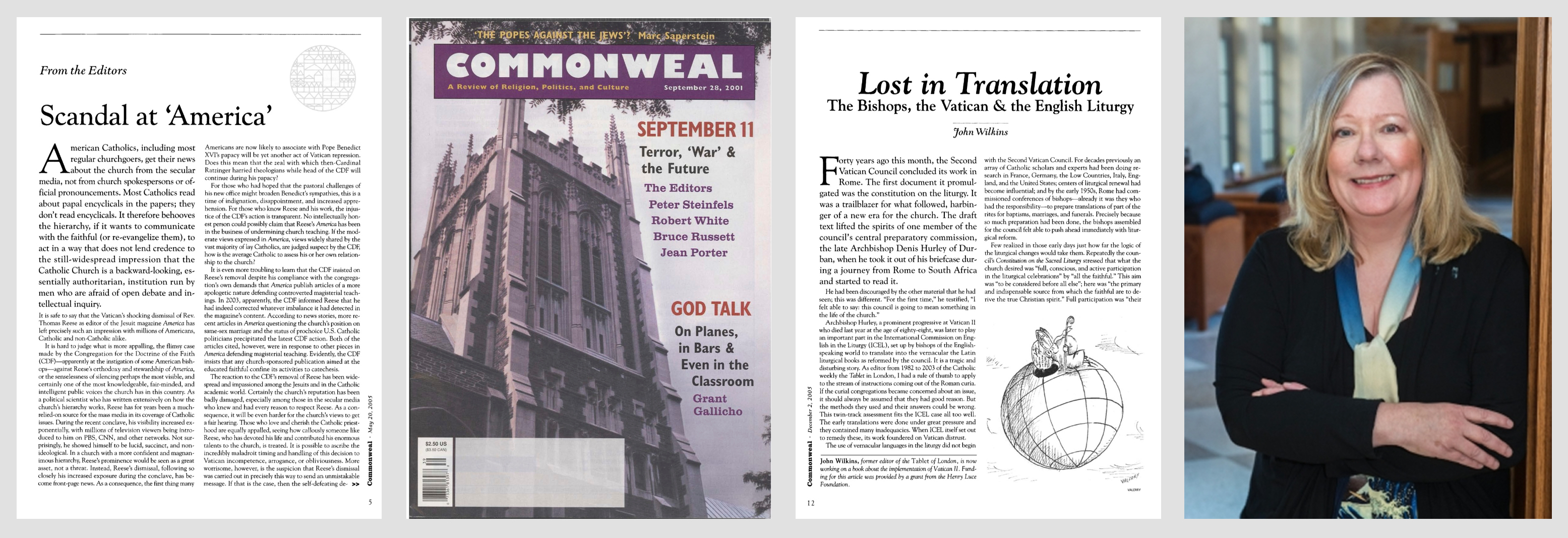
Paul Baumann succeeded Margaret O’Brien Steinfels as editor in 2003, after a decade of contributing dozens of articles and reviews as the magazine’s associate and executive editor.
1990s
The magazine contends with the critics of liberal Catholicism, and imagines a still greater role for the laity.
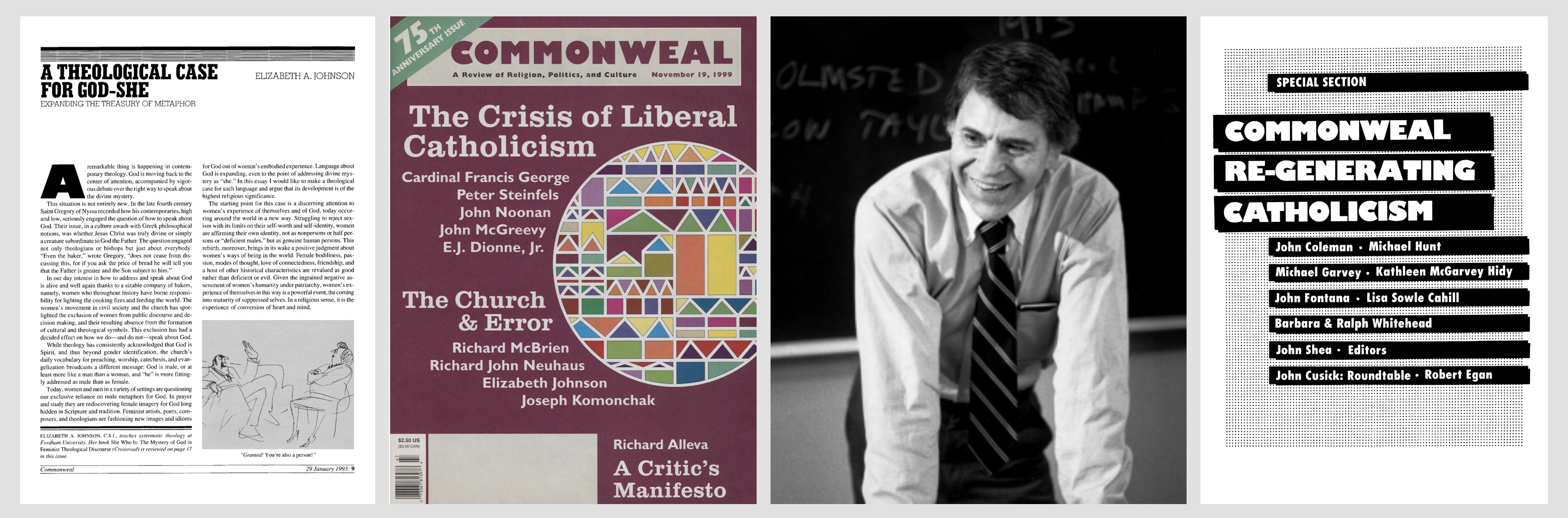
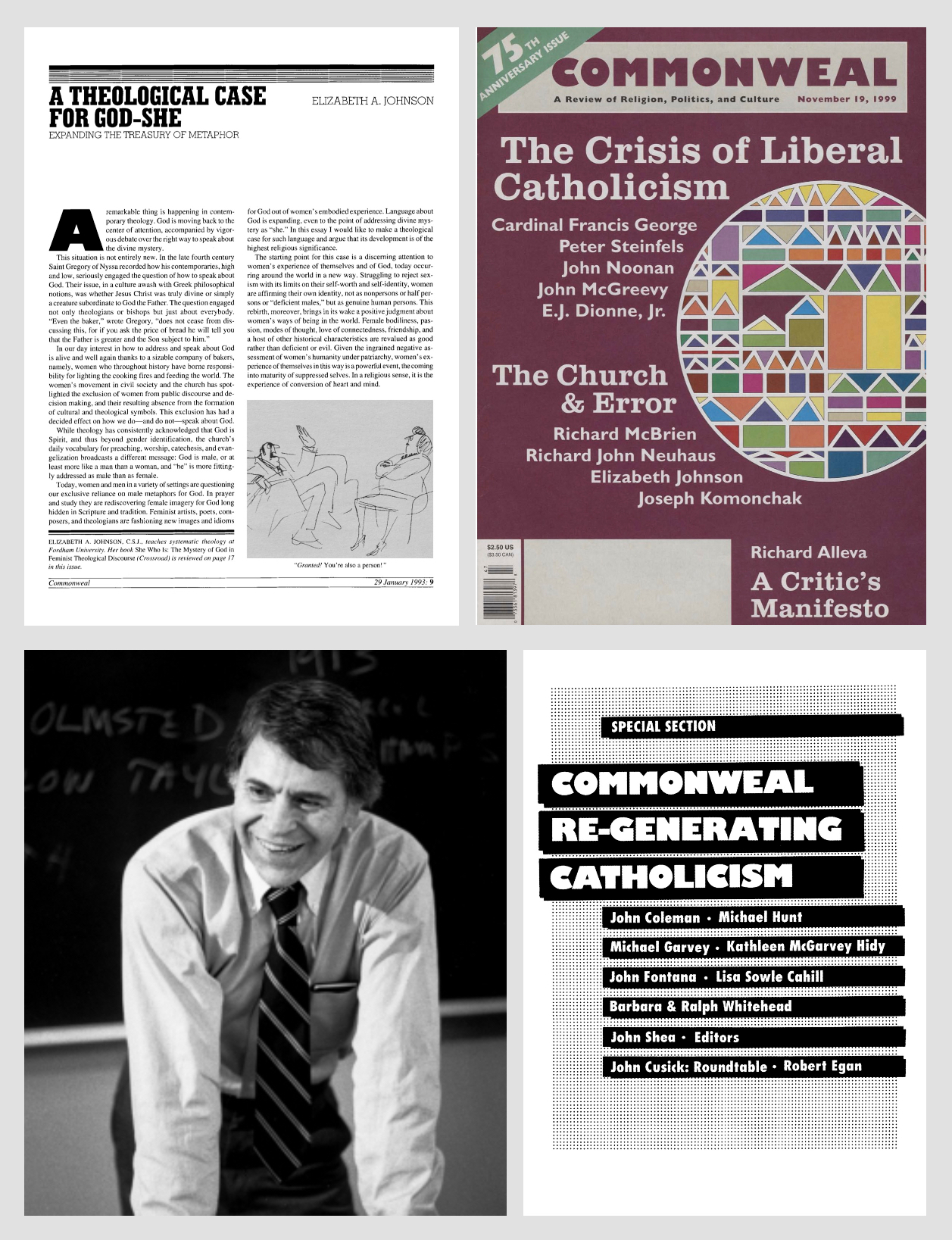
Dedicating entire annual issues to the role of the laity throughout the 1990s, Commonweal continued to explore Vatican II’s vision for its largely lay readership. In a 1990 special issue on “Re-Generating Catholicism,” the editors reminded readers that “the future of the Catholic church is our responsibility.” Other contributors, however, noted the difficulties lay Catholics continued to face in Church structures where they had little or no real authority. Editor Peggy Steinfels, in 1993, pointed out that Commonweal itself might signify an institutional way forward for lay Catholics: “No one gave permission, and no one asked. The work was started and it continues.”
Editorial highlights
A Theological Case for God-She, Elizabeth A. Johnson (January 29, 1993)
The Everlasting Dilemma, Paul Elie (September 27, 1991)
The Dignity of Helplessness, Rand Richards Cooper (October 25, 1996)
Justifying Torture, Gordon Marino (June 6, 1997)
Affirmative on Affirmative Action, by Don Wycliff (May 19, 1995)
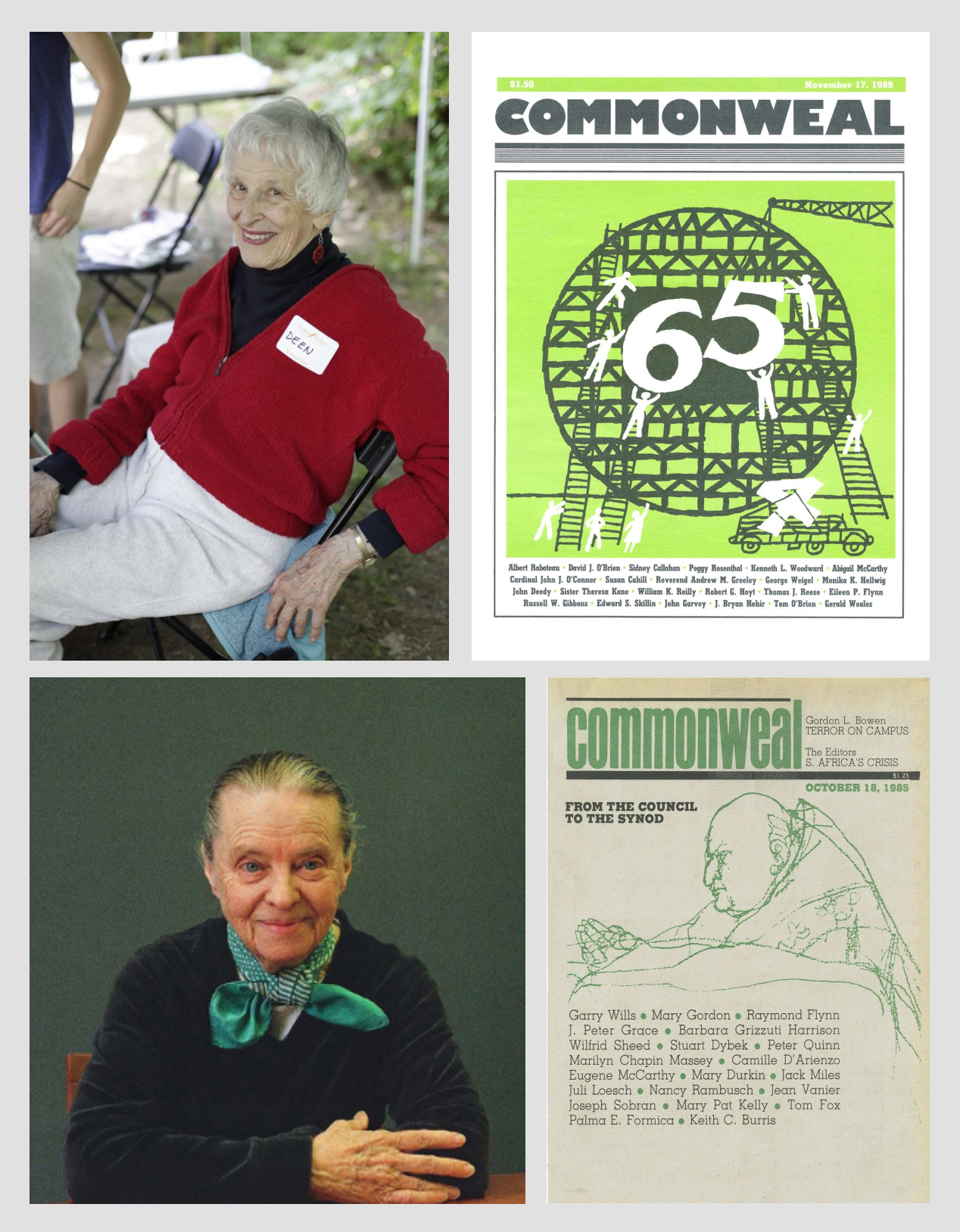
Commonweal’s seventy-fifth anniversary issue in 1999 struck a more conflicted tone about the future, and highlighted the jaundiced view of liberal Catholicism taken by much of the American Church’s hierarchy. In an exchange titled “The Crisis of Liberal Catholicism,” Chicago’s Cardinal Francis George claimed that liberalism was an exhausted project and was now yielding disappointing results for the Church’s health and growth. In response, former editor Peter Steinfels argued that “if the church is to remain a healthy organism it needs the self-criticism, open inquiry, and spirit of dialogue that liberal Catholicism has provided.” Meanwhile, the magazine also published communitarian critiques of triumphalistic political liberalism by such figures as Christopher Lasch and Eugene McCarraher. Catholics, including liberal Catholics, knew better than to believe in the “end of history.”
1980s
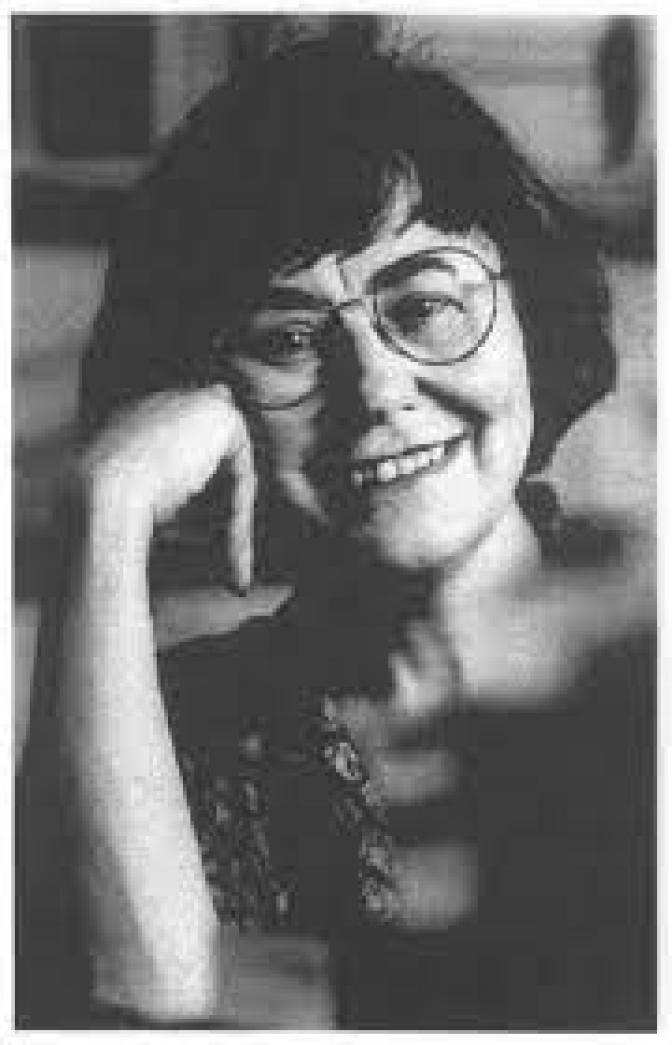
Commonweal addresses the place of women in the Church—and at the magazine.
A decade after Roe, abortion continued to be a major topic of discussion in the pages of Commonweal. There was a special issue on abortion in 1981 and it was the subject of the magazine’s longest-ever feature package in 1987. The editors urged readers not to put all of their hopes in a legal remedy and, above all, never to ignore either the moral or political complexity of the issue—both of these, they understood, were “ways of evading the burden of authentic moral judgement.”
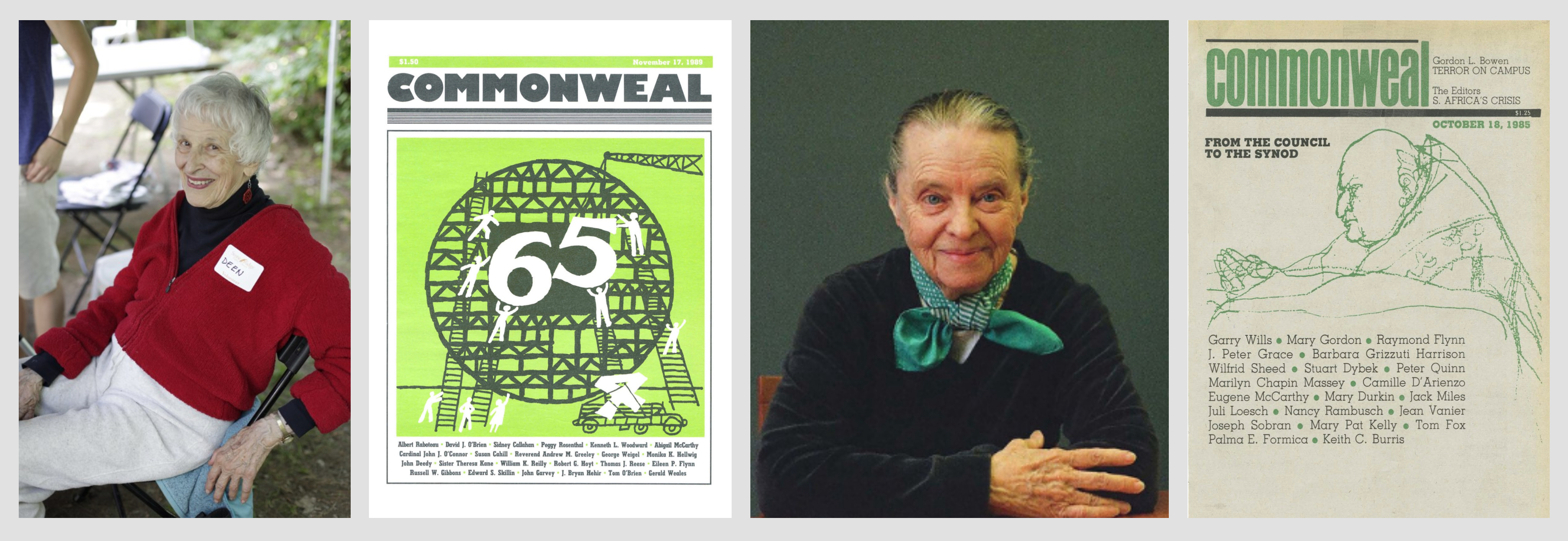
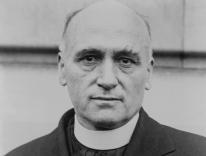
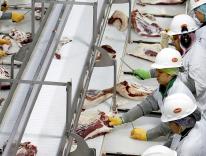
Upon James O’Gara’s retirement in 1984, Peter Steinfels succeeded him as editor; four years later, he was succeeded by Margaret (“Peggy”) O’Brien Steinfels. What had once been a male-dominated editorial staff expanded to include several female editors and frequent contributors, including poetry editors Rosemary Deen and Marie Ponsot (Deen would hold the position for forty years). During the 1980s, significant attention was paid to the position of women in the Church, including the failures of the hierarchy to embrace women after Vatican II, especially in light of the 1985 synod to evaluate the council. These concerns and others were included in a 1985 series, “Charting a Course: From the Council to the Synod.”
Editorial highlights
“Marriage versus just living together” by Jo McGowan (March 13, 1981)
“Coming to terms with Mary” by Mary Gordon (January 15, 1982)
“America’s Social Sin” by Joseph L Bernardin (September 24, 1982)
“The Discipleship of Equals” by Elisabeth Schussler Fiorenza (August 9, 1985)
The Political Dimension of Christian Love by Óscar Romero (March 26, 1982)
In the early 1980s, Edward Skillin and Commonweal’s other shareholders transferred their ownership to the nonprofit Commonweal Foundation. Skillin’s contribution to Commonweal over the years is hard to overstate: he joined the staff in 1933, became editor and a principal owner in 1938, served as publisher from 1967 to 1999, and helped put the magazine on its current path.