The “rural vibe shift is real,” Matthew Schmitz recently declared in that most urbane of vibe chroniclers, The New York Times. Cattle drives and barn-raisings are rare these days, but popular songs that are suitable for line dancing and have “Texas” in the title are proof of something important, according to Schmitz.
Now, I’m just a simple city dweller, so I may be wrong, but when has this country not vibed with a country-western twang? The Andy Griffith Show and Hee-Haw were syndication stalwarts throughout my childhood, and I’ve since lived through, in real time, The Waltons, Little House on the Prairie, and the rise of Dolly Parton to superstardom; Burt Reynolds as the Coors-smuggling outlaw hero of the hugely popular Smokey and the Bandit movies; urban cowboys and mechanical bull-riding; Kenny (the Gambler) Rogers crossing genres on TV and radio and Garth Brooks playing to one of the largest crowds in Central Park history; Billy Ray Cyrus’s chart-topping, line-dance mainstay “Achy Breaky Heart” and Kacey Musgraves’s Same Trailer, Different Park; and popular country reality-TV shows like Duck Dynasty. Now there’s Taylor Sheridan’s MAGA-coded, neo-Western Yellowstone franchise with its various spinoffs, which Schmitz specifically points to as evidence that “authentic” America is back. But by those criteria, when was it gone?
Sheridan, it happens, wrote the foreword to the 2025 reissue of Larry McMurtry’s towering 1985 epic Lonesome Dove (Simon & Schuster, $24.99, 864 pp.). The best-selling novel was made into one of the highest viewed television miniseries of all time in 1989—I trust someone was documenting the rural vibes then—and a reboot is currently streaming on Netflix. I haven’t watched either, but over several summer days, I immersed myself in the source material. My initial wariness at setting out on such a long journey dissipated as fast as the dew on a hot Texas morning.
Set in the “untamed” West of the 1870s, the book’s main action centers on a high-risk cattle drive from the dusty border town of the title to lush, sparsely inhabited Montana. Its central characters are a mismatched pair of not always sympathetic former Texas Rangers, with a supporting cast that’s Dickensian in size and type, spawning numerous storylines and thrilling set pieces. There are episodes of appalling violence and sudden, gruesome death at the hands of nature—or via misadventure of the sort that besets daily life with large animals and overloaded wagons. Mortality, friendship, and individualism are recurring themes (it’s a Western after all).
While McMurtry doesn’t shy from big ideas like the moral shortcomings of frontier justice, the desecration of the land, and the eradication of a people, he could have sidled up just a little bit closer to them. Still, Lonesome Dove is a book you can lose yourself in and whose characters stay with you for a long time after. No surprise that its many fans return to it again and again.
Where McMurtry hews closely to familiar tropes and types, Charles Neider plays around with them in The Authentic Death of Hendry Jones (McNally Editions, $19, 216 pp.). The title character is a Billy the Kid stand-in, a notorious gunslinger every up-and-comer wants to shoot down. But his one-time partner in crime, the aging and semireliable Doc Baker, tells Hendry’s tale, and its winking “authenticity” is as good as the promises on a patent-medicine label. There is violence, necessarily, along with some unexpectedly vivid description of the coastal California region where much of the action is set, plus occasional observations about the impact of settlers, miners, and Catholic missionaries on the Indigenous population.
Neider, who was born in Odessa and came to the United States in 1920 at the age of five, grew up to be a nature writer and leading Mark Twain scholar. After ditching a true-life account of the real Billy the Kid, he completed this book within six weeks. Published in 1956, it got the attention of Marlon Brando, who, along with director Sam Peckinpah, drew from it for the 1961 film One-Eyed Jacks. Fans of Cormac McCarthy and other Western revisionists may also find something to like. The 2025 McNally reissue includes a foreword by Will Oldham (a.k.a. Bonnie “Prince” Billy), itself a pretty unusual piece of writing filled with fascinating details about the author.
By contrast, there’s nothing subversive about Willa Cather’s Death Comes for the Archbishop (University of New Mexico Press, $16.95, 240 pp.), as stately and unaffected a work of American literature as there is. A century after its publication, readers today may be struck by the seriousness and respect with which Cather treats her subject and his vocation. The novel opens when young, French-born Fr. Jean Marie Latour—the future archbishop of Santa Fe—is sent by Rome to be a vicar in the New Mexico territory. Cather not only marshals facts and details about religious life at the time—the rituals, the traditions, the particular worldly challenges and the accommodations they necessitate—but also, despite not being Catholic herself, infuses the novel with an authentic sense of faith and belief.
Still, hers is not a religious book. It is the story of how a human being chooses to live his time on earth. The spare lines of its opening chapter set the tone:
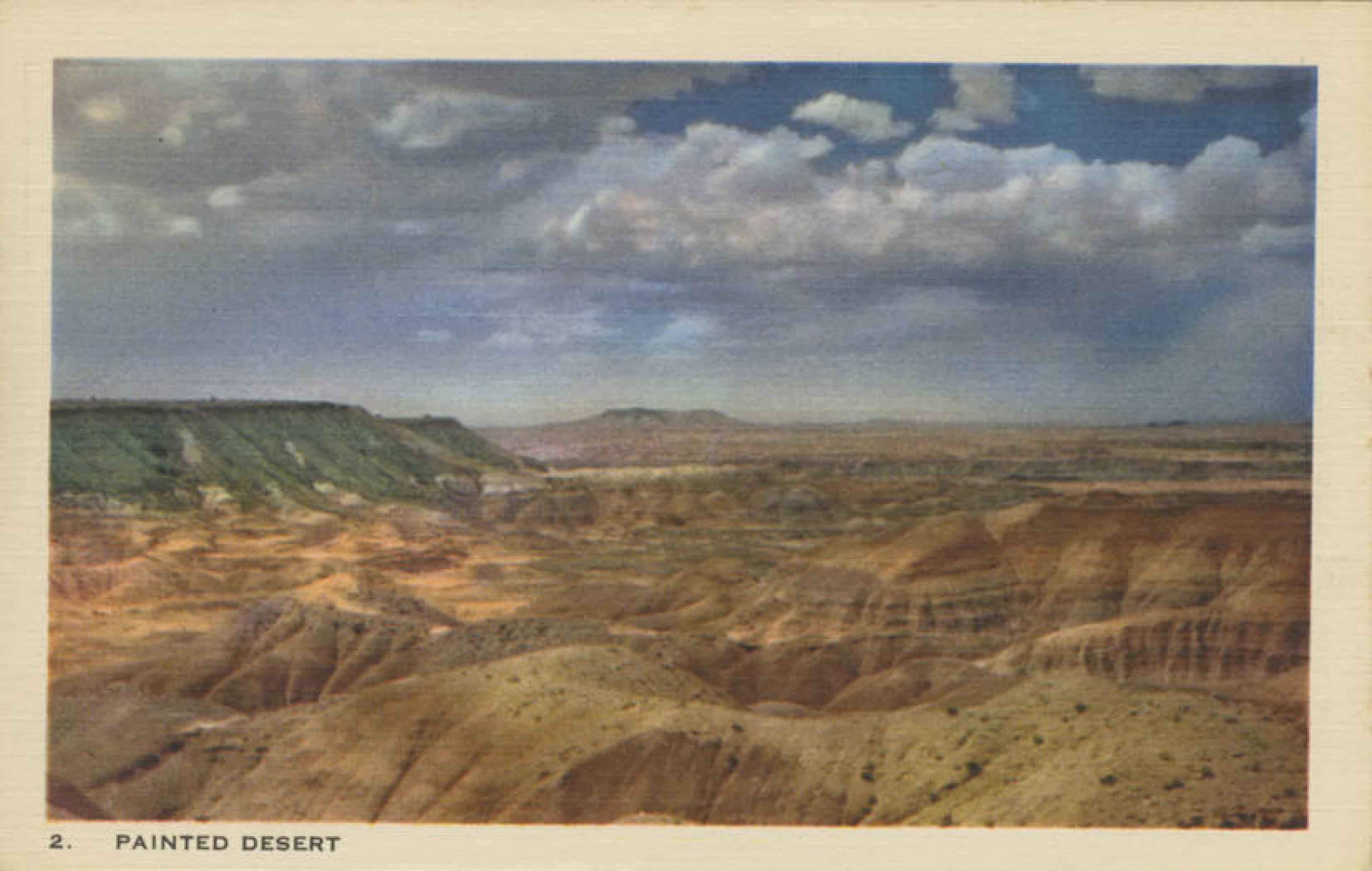
One afternoon in the autumn of 1851, a solitary horseman, followed by a pack-mule, was pushing through an arid stretch of country somewhere in central New Mexico. He had lost his way, and was trying to get back to the trail, with only his compass and sense of direction for guides. The difficulty was that the country in which he found himself was so featureless—or rather, that it was crowded with features, all exactly alike.
Something each of these novels makes clear is the once unimaginably vast aspect of this land—not empty, but as yet unspoiled by highways and soulless sprawl roamed by herds of oversized pickups with names like Laredo, Ranger, and Silverado. Fr. Latour, that solitary horseman, soon finds something that will orient him and lead him on: a juniper tree in the shape of a cross.
We welcome your comments about this article. Please send your response to [email protected].